
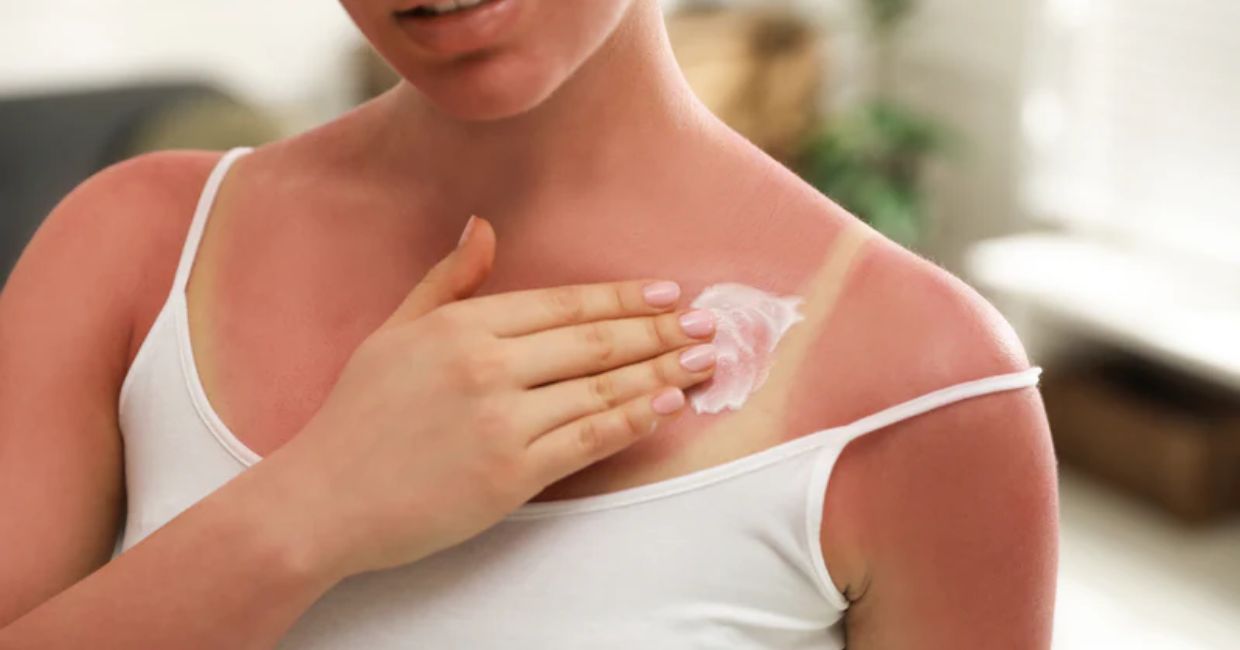
There’s nothing quite like soaking up the warm sun — it boosts your mood, strengthens your bones, and gives you that beautiful glow. But spend too long under those golden rays, and you might end up with a painful reminder: sunburn.
Sunburn can turn your skin red, sore, and sensitive, often leading to peeling and dryness afterward. While store-bought creams can help, natural remedies are often just as effective — and much gentler on your skin.
If you’re searching for safe, quick, and soothing solutions, you’ve come to the right place. In this article, we’ll explore the best natural ways to treat sunburn fast, how to prevent it, and how to restore your skin’s health naturally.
How to Cure Acidity Naturally at Home
What Is Sunburn and Why Does It Happen?
Sunburn occurs when your skin is overexposed to ultraviolet (UV) rays from the sun. These rays damage the outer layer of your skin, leading to redness, inflammation, and sometimes blisters.
Your body reacts to this damage by increasing blood flow to the affected area — that’s why your skin turns red and feels warm to the touch.
Common Symptoms of Sunburn
- Redness or flushed skin
- Pain and tenderness
- Peeling or flaking skin after a few days
- Itchiness or swelling
- In severe cases: blisters, fever, or chills
Sunburn can affect anyone — even people with darker skin tones. While mild burns heal in a few days, severe burns can take over a week and may require medical care.
The good news? Nature has plenty of ways to speed up healing and ease discomfort right at home.
Natural Ways to Treat Sunburn Fast
Let’s explore the most effective home remedies for sunburn relief that use simple, natural ingredients.
These remedies cool, hydrate, and repair your skin while preventing long-term damage.
1. Aloe Vera Gel – Nature’s Skin Healer
Why It Works:
Aloe vera is a powerhouse of vitamins, enzymes, and anti-inflammatory compounds. It cools the skin instantly, reduces redness, and helps rebuild damaged tissue.
How to Use:
- Cut open a fresh aloe vera leaf.
- Scoop out the clear gel and apply it directly to the sunburned area.
- Let it sit for 15–20 minutes before rinsing gently with cool water.
Tip: Store aloe vera gel in the refrigerator for a few minutes before applying for an extra cooling effect.
Result: Reduced inflammation, faster healing, and softer skin.
2. Cold Compress or Cool Bath
Why It Works:
Cold water helps reduce inflammation and heat trapped in the skin. It constricts blood vessels, which minimizes redness and swelling.
How to Use:
- Soak a soft towel in cool (not icy) water and place it on the affected area for 10–15 minutes.
- Repeat several times a day.
Alternatively, take a cool bath with a handful of oatmeal or baking soda mixed in. Both ingredients calm irritation and soothe itchy, peeling skin.
Avoid: Hot water, as it can dry out your skin and worsen the burn.
3. Coconut Oil – The Natural Moisturizer
Why It Works:
Coconut oil is rich in fatty acids that nourish and hydrate damaged skin. It also contains antioxidants that reduce inflammation and repair the skin barrier.
How to Use:
- Wait until the heat from the burn has subsided (usually after 24 hours).
- Gently apply a thin layer of virgin coconut oil to the affected area.
Tip: Do not apply coconut oil on freshly burned skin — use it only after cooling the area first.
Result: Moisturized, smooth skin with faster recovery and reduced peeling.
4. Cucumber Slices or Cucumber Paste
Why It Works:
Cucumbers are high in water content and vitamin C. They provide instant cooling relief and reduce swelling caused by sunburn.
How to Use:
- Chill a cucumber in the refrigerator.
- Slice it thinly and place the slices on the sunburned skin for 10–15 minutes.
- Alternatively, blend cucumber into a paste and apply it as a cooling mask.
Result: Immediate soothing sensation and reduced skin tightness.
5. Green Tea Compress
Why It Works:
Green tea is loaded with antioxidants, particularly catechins, which fight inflammation and repair damaged cells.
How to Use:
- Brew 2–3 green tea bags in hot water.
- Let it cool completely, then soak a clean cloth in the tea.
- Apply to the sunburned skin for 10–15 minutes.
Bonus: You can also store the tea in a spray bottle and mist it over your skin for cooling relief throughout the day.
6. Oatmeal Bath
Why It Works:
Oatmeal is one of the most effective natural remedies for irritated skin. It contains avenanthramides, compounds that relieve inflammation and itching.
How to Use:
- Grind 1 cup of plain oats into a fine powder.
- Add it to a tub of cool water and mix well.
- Soak for 15–20 minutes.
Tip: Pat your skin dry gently with a towel — don’t rub!
Result: Calmer, smoother skin with less redness and irritation.
7. Yogurt or Milk Mask
Why It Works:
Both yogurt and milk contain lactic acid and probiotics that help restore skin balance. Their cool, creamy texture soothes burning sensations and replenishes lost moisture.
How to Use:
- Apply plain, unsweetened yogurt or chilled milk with a cotton ball.
- Leave on for 15 minutes, then rinse gently with cool water.
Result: Instant relief and softer, less inflamed skin.
8. Apple Cider Vinegar (ACV) Spray
Why It Works:
Apple cider vinegar balances the skin’s pH level and reduces inflammation. It also helps prevent infections if the skin is slightly blistered.
How to Use:
- Mix equal parts of ACV and cool water in a spray bottle.
- Spray gently on the affected area or dab with a soft cloth.
- Allow it to air-dry naturally.
Caution: Avoid using ACV on open blisters or severely burned skin.
Result: Reduced stinging sensation and faster skin healing.
9. Honey – The Natural Antiseptic
Why It Works:
Honey has natural antibacterial and healing properties. It keeps the skin moist, promotes tissue regeneration, and reduces inflammation.
How to Use:
- Apply a thin layer of raw honey on the sunburned area.
- Leave it on for 20–30 minutes, then rinse off with cool water.
Result: Faster healing and smoother, moisturized skin.
10. Potato Juice or Potato Slices
Why It Works:
Potatoes contain starches that cool and soothe irritated skin. They also help reduce pain and redness.
How to Use:
- Slice a raw potato and rub the pieces gently on the affected area.
- Alternatively, blend a potato, strain the juice, and apply it with a cotton pad.
Result: Relief from burning and a cooling effect on inflamed skin.
11. Baking Soda Compress
Why It Works:
Baking soda helps restore the skin’s pH balance and reduces itching and inflammation.
How to Use:
- Mix 2 tablespoons of baking soda in 1 cup of cold water.
- Soak a clean cloth in the mixture and place it on the sunburned area for 10 minutes.
- Repeat twice daily.
Caution: Do not scrub baking soda directly onto skin — it can irritate sensitive areas.
12. Hydrate, Hydrate, Hydrate
Why It Works:
Sunburn draws fluid to the skin’s surface, leaving the rest of your body dehydrated. Drinking water helps your skin heal faster and prevents dryness.
What to Do:
- Drink at least 8–10 glasses of water daily.
- Add water-rich foods like watermelon, cucumber, and oranges to your diet.
Result: Restored hydration and improved skin elasticity.
Natural Healing from the Inside: Foods That Help Repair Sunburn
While topical remedies heal your skin from the outside, certain foods can speed up the healing process from within.
1. Tomatoes
Rich in lycopene, tomatoes reduce skin redness and protect against UV damage.
2. Carrots and Sweet Potatoes
High in beta-carotene, they help repair and rejuvenate skin cells.
3. Green Leafy Vegetables
Packed with antioxidants and vitamins that support skin regeneration.
4. Vitamin E-Rich Nuts and Seeds
Almonds, sunflower seeds, and walnuts protect skin cells and reduce inflammation.
5. Omega-3 Fatty Acids (Fish, Flaxseeds, Chia Seeds)
Reduce swelling and promote healing from the inside.
Eating these foods regularly can make your skin more resilient against future sun exposure.
Things to Avoid When You Have Sunburn
To ensure faster healing, avoid these common mistakes:
- Do not pop blisters. They protect your skin from infection.
- Avoid harsh soaps or scrubs. They can irritate already sensitive skin.
- Skip petroleum-based lotions during the first few days — they trap heat.
- Stay out of the sun until the burn has healed completely.
- Avoid alcohol and caffeine, as they dehydrate the skin.
Gentle care is key during recovery.
Natural Prevention: How to Avoid Getting Sunburned Again
Prevention is always better than cure — especially when it comes to sunburn. Here are a few natural ways to protect your skin from UV rays:
1. Apply Natural Sunscreen
Use a natural, mineral-based sunscreen with zinc oxide or titanium dioxide. These ingredients physically block UV rays instead of absorbing them like chemical sunscreens.
You can even make a homemade version using:
- Coconut oil
- Shea butter
- Zinc oxide powder
Always reapply every 2–3 hours when outdoors.
2. Cover Up
Wear light, breathable clothing that covers your skin.
Opt for:
- Wide-brimmed hats
- Sunglasses
- Long-sleeved shirts
Light-colored fabrics reflect sunlight, keeping your skin safe and cool.
3. Seek Shade During Peak Hours
Avoid direct sun exposure between 10 a.m. and 4 p.m., when UV rays are strongest.
If you’re outdoors, take breaks in the shade or use umbrellas and hats.
4. Use Aloe Vera Daily
Even if you’re not sunburned, applying a small amount of aloe vera before and after sun exposure helps strengthen your skin’s natural barrier.
5. Eat a Skin-Protective Diet
A diet rich in antioxidants (like berries, tomatoes, and green tea) helps your skin resist UV damage naturally.
Healing Timeline: How Long Does Sunburn Take to Heal?
Sunburn recovery time depends on its severity:
- Mild Sunburn: 3–5 days
- Moderate Sunburn: 5–7 days with peeling
- Severe Sunburn: 7–10 days or longer, sometimes followed by blistering
Consistent use of natural remedies can shorten recovery time and reduce scarring or peeling.
When to See a Doctor
While most sunburns heal with natural care, you should seek medical help if you experience:
- Blisters covering a large area of your body
- Fever, chills, or nausea
- Severe pain or swelling
- Signs of infection (pus, oozing, or red streaks)
These symptoms may indicate sun poisoning, which requires professional treatment.
Final Thoughts: Heal and Protect Naturally
Sunburn might be a temporary discomfort, but it’s also your skin’s way of saying “slow down.” Fortunately, nature provides everything you need for healing — cooling, soothing, and protecting your skin naturally.
From aloe vera gel and coconut oil to green tea compresses and cucumber masks, these simple home remedies are both safe and effective. Pair them with proper hydration, a nutrient-rich diet, and sun-safe habits to prevent future burns.
Remember, healing takes time — so treat your skin gently, keep it cool and hydrated, and let nature do its magic.
With a little care and consistency, you can treat sunburn fast and restore your skin’s natural glow — the natural way.