
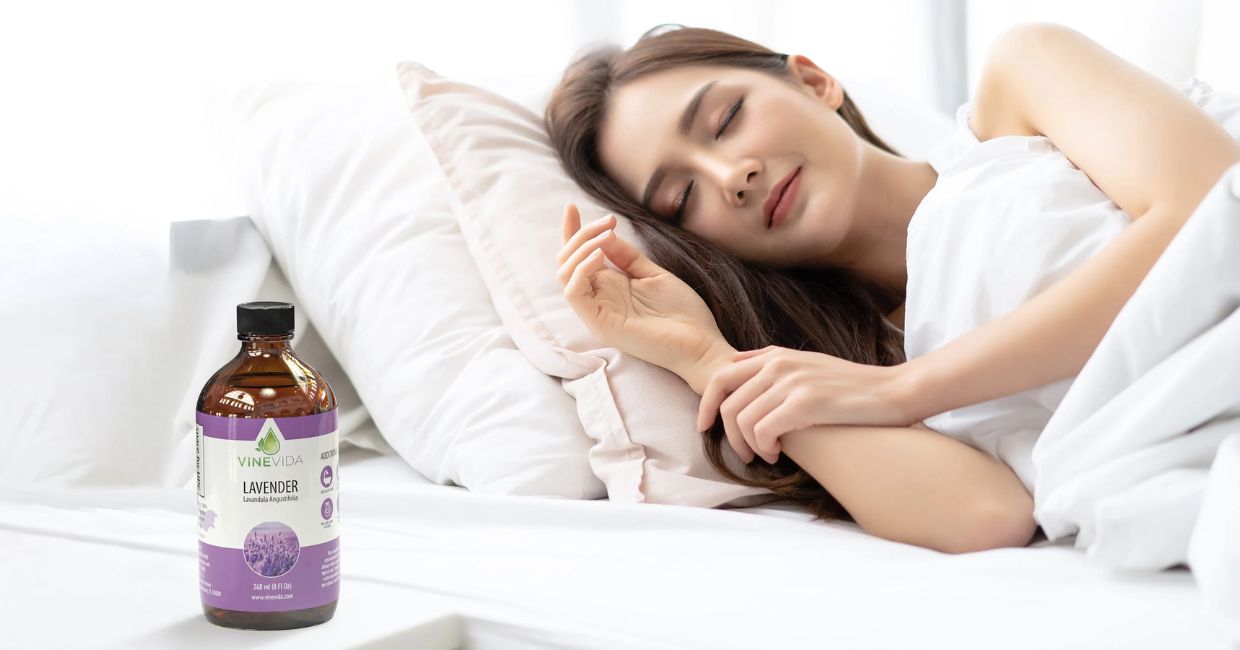
In today’s fast-paced world, quality sleep has become more of a luxury than a routine. With constant exposure to screens, stress, and irregular schedules, many people find themselves tossing and turning at night. While modern medicine offers sleep aids, nature has long provided gentler alternatives. Among them, lavender oil stands out as one of the most effective natural remedies for promoting restful sleep and relaxation.
This fragrant essential oil, extracted from the flowers of the Lavandula angustifolia plant, has been used for centuries in aromatherapy, herbal medicine, and beauty rituals. But its most celebrated benefit remains its ability to calm the mind and improve sleep quality.
Natural Oils for Glowing Skin and Hair
What Is Lavender Oil?
Lavender oil is a type of essential oil derived from the flowers of the lavender plant through steam distillation. This process preserves the plant’s aromatic compounds, particularly linalool and linalyl acetate, which are known for their soothing, anti-anxiety, and sedative properties.
Historically, lavender has been used in various forms — from herbal teas to bath infusions — to relieve stress, anxiety, and sleeplessness. Today, lavender essential oil has become a cornerstone of aromatherapy and natural wellness practices around the world.
The Science Behind Lavender Oil and Sleep
Many people think lavender oil’s calming effects are purely anecdotal, but research says otherwise. Numerous scientific studies have confirmed that lavender oil can enhance sleep quality and reduce symptoms of insomnia.
1. Lavender Reduces Anxiety and Stress
Stress is one of the biggest barriers to good sleep. Studies show that inhaling lavender aroma can reduce cortisol levels — the hormone responsible for stress — and promote feelings of calmness.
A 2012 study published in Evidence-Based Complementary and Alternative Medicine found that participants who inhaled lavender essential oil before bedtime experienced lower heart rates, reduced anxiety, and deeper sleep.
2. Lavender Promotes Deep Sleep
Lavender has a mild sedative effect that helps the brain transition into slow-wave sleep — the most restorative stage of the sleep cycle. This is when the body repairs tissues, builds muscle, and strengthens the immune system.
3. Lavender May Improve Sleep Disorders
For people with insomnia or restless sleep patterns, lavender aromatherapy can serve as a gentle alternative to medication. A study conducted at the University of Southampton found that individuals who slept in a lavender-scented room reported a 20% improvement in sleep quality compared to those who didn’t.
Benefits of Using Lavender Oil for Sleep
Using lavender oil consistently can lead to several physical and emotional benefits beyond simply falling asleep faster.
1. Calms the Nervous System
Lavender interacts with the limbic system — the part of the brain responsible for emotions and memory. It helps regulate the nervous system, reducing hyperactivity and allowing the body to unwind before sleep.
2. Relieves Headaches and Tension
Many people struggle to fall asleep due to headaches or muscle tension. Lavender oil’s natural analgesic and anti-inflammatory properties can ease pain and discomfort, making it easier to rest.
3. Balances Mood
Lavender’s aroma promotes emotional stability. It helps alleviate feelings of anxiety, irritability, or sadness that often accompany sleep disturbances.
4. Improves Sleep Duration and Quality
Not only does lavender help you fall asleep faster, but it also extends the duration of deep sleep stages, allowing you to wake up refreshed rather than groggy.
How to Use Lavender Oil for Better Sleep
Now that we understand why lavender oil is beneficial, let’s explore practical ways to use it effectively as part of your bedtime routine.
1. Diffuse It in Your Bedroom
One of the simplest and most popular methods is aromatherapy diffusion.
How to do it:
- Add 4–6 drops of lavender essential oil to an aromatherapy diffuser filled with water.
- Turn it on 30 minutes before bedtime.
- Keep the diffuser running as you unwind or meditate before sleep.
The gentle mist fills the room with a calming aroma, signaling your brain that it’s time to relax.
Tip: Combine lavender oil with other soothing essential oils like chamomile or cedarwood for an enhanced effect.
2. Apply It Topically
Lavender oil can be applied to your skin, but it’s essential to dilute it first with a carrier oil to prevent irritation.
How to do it:
- Mix 2–3 drops of lavender oil with a teaspoon of carrier oil (like coconut, almond, or jojoba oil).
- Gently massage the blend onto your temples, wrists, neck, or the soles of your feet before bed.
This method not only allows your body to absorb the relaxing compounds but also provides the comfort of a gentle massage — a great way to wind down after a long day.
3. Add It to a Warm Bath
A warm bath infused with lavender oil can do wonders for both your body and mind. The heat relaxes your muscles, while the scent calms your senses.
How to do it:
- Fill your bathtub with warm water.
- Add 6–8 drops of lavender oil mixed with a tablespoon of milk or Epsom salt (this helps the oil disperse in water).
- Soak for at least 15–20 minutes before bed.
For an even more luxurious experience, dim the lights, play soft music, or light a candle.
4. Create a Pillow Spray
A lavender pillow spray is an easy and cost-effective way to bring aromatherapy directly to your sleep space.
DIY Pillow Spray Recipe:
- ½ cup distilled water
- 1 tablespoon witch hazel or vodka (as a preservative)
- 10–12 drops of lavender essential oil
Mix all ingredients in a spray bottle and shake well. Lightly spritz your pillow, sheets, or blanket before lying down. The aroma will linger throughout the night, helping you relax into deeper sleep.
5. Inhale Directly Before Sleep
If you don’t have time for a diffuser or bath, direct inhalation is an effective alternative.
How to do it:
- Place 2–3 drops of lavender oil on a cotton ball or tissue.
- Hold it close to your nose and take slow, deep breaths for a few minutes.
Alternatively, you can apply a drop or two to your palms, rub them together, cup your hands over your face, and inhale deeply.
6. Combine with Herbal Tea
While lavender oil shouldn’t be ingested unless it’s labeled food-grade, you can complement its external use with lavender-infused herbal tea. Drinking a cup of lavender or chamomile tea before bed enhances the relaxation effect, preparing your body for a peaceful night.
7. Use in a Bedtime Massage
A gentle lavender oil massage before bed can work miracles for your sleep quality.
How to do it:
- Mix 3–5 drops of lavender essential oil with two tablespoons of a carrier oil.
- Massage your shoulders, back, or feet before bedtime.
This practice not only releases tension but also creates a mindful ritual that tells your body it’s time to rest.
When and How Often Should You Use Lavender Oil for Sleep?
For best results, use lavender oil every night as part of your evening routine. The more consistent you are, the more your body associates the scent with relaxation and sleep.
Start using it about 30–60 minutes before bedtime, whether by diffusing it, taking a bath, or massaging it into your skin. Over time, the scent of lavender can trigger a psychological response — signaling your body that it’s time to unwind and drift off.
Tips for Getting the Most Out of Lavender Oil
- Choose 100% Pure Essential Oil:
Always opt for therapeutic-grade lavender essential oil without additives or synthetic fragrances. - Store Properly:
Keep your bottle in a cool, dark place to preserve its potency. - Test for Sensitivity:
Do a patch test before applying lavender oil to your skin to ensure you’re not allergic. - Avoid Overuse:
Too much oil can be overwhelming and may cause headaches for some people. Start with small amounts. - Pair with Relaxing Activities:
Combine aromatherapy with reading, meditation, or deep breathing exercises for optimal results.
Safety Considerations
Lavender oil is generally safe for most people, but it’s always best to use it cautiously.
- Pregnant women and young children should consult a doctor before using essential oils.
- Never ingest lavender oil unless specifically formulated for internal use.
- Avoid contact with eyes, inner ears, or open wounds.
- If you have asthma or respiratory conditions, use it in moderation to prevent irritation.
Additional Ways to Improve Sleep Naturally
While lavender oil can be a powerful aid, combining it with other healthy habits can enhance its effects:
- Create a consistent bedtime schedule.
- Limit caffeine and heavy meals before bed.
- Keep screens off at least 30 minutes before sleeping.
- Maintain a cool, dark, and quiet bedroom environment.
- Practice mindfulness or deep breathing to calm your thoughts.
Lavender oil works best as part of a holistic sleep routine that supports your body’s natural circadian rhythm.
Real-Life Experiences
Many users around the world have shared how lavender oil transformed their sleep patterns. For instance:
- A busy professional reported that diffusing lavender oil in her bedroom reduced her nighttime anxiety and helped her fall asleep faster.
- A new mother found that a few drops of lavender oil on her pillow calmed her nerves and improved the baby’s sleep as well.
- People suffering from mild insomnia often describe lavender oil as a natural, non-habit-forming solution that lets them wake up feeling refreshed.
These real-life stories underline how this ancient remedy continues to hold value even in modern lifestyles.
The Bottom Line
If you’re searching for a natural, gentle, and effective way to improve your sleep, lavender oil may be exactly what you need. Backed by centuries of traditional use and supported by modern research, this fragrant essential oil offers a simple solution to one of today’s most common health problems — sleeplessness.
From diffusing it in your bedroom to adding it to your bath or massaging it into your skin, the possibilities are endless. The key is consistency — making lavender oil a nightly ritual that helps your body and mind recognize when it’s time to rest.
So tonight, dim the lights, turn on your diffuser, and let the calming scent of lavender guide you into a deep, peaceful sleep.