
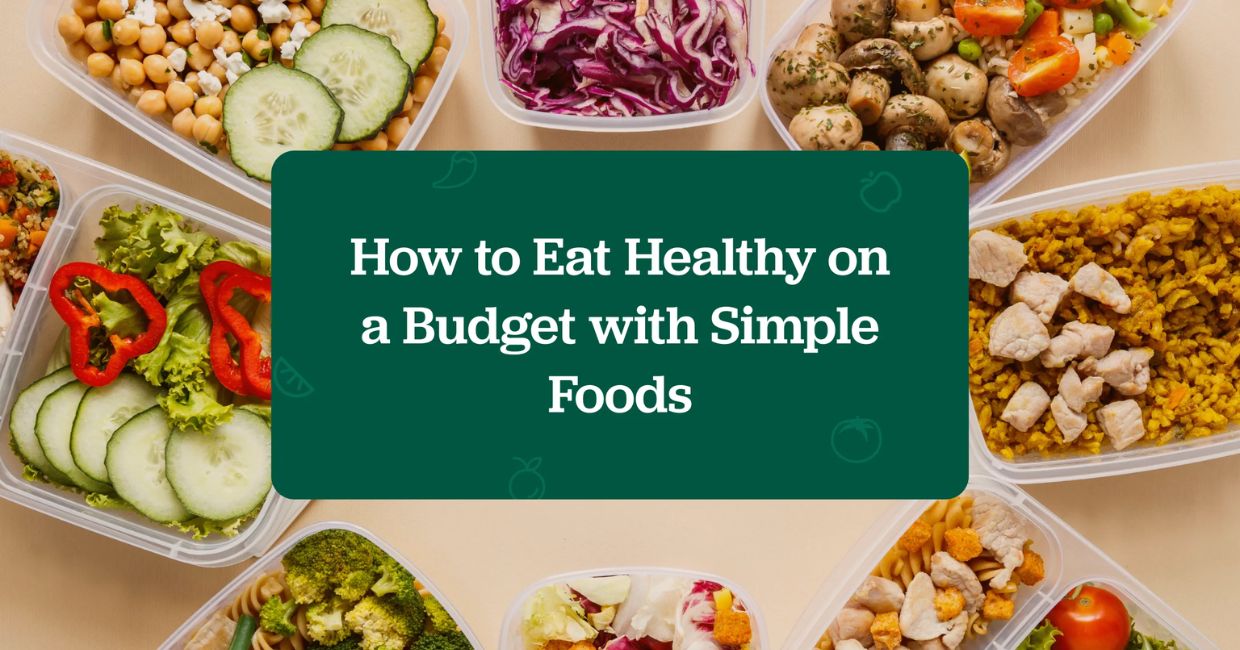
Eating healthy doesn’t have to be expensive — despite what many people believe. With the rising cost of groceries, it’s easy to assume that nutritious food means higher bills. However, the truth is that eating healthy on a budget is completely possible with smart planning, mindful shopping, and creative cooking. You can nourish your body, save money, and still enjoy delicious, wholesome meals every day.
This article explores practical, realistic strategies to help you eat healthy on a budget, from meal planning and smart grocery shopping to cooking techniques that stretch your dollar further — without compromising on nutrition or taste.
Best Superfoods to Add to Your Daily Diet
1. Understanding What “Eating Healthy” Really Means
Before diving into cost-saving tips, it’s essential to clarify what “eating healthy” actually looks like. Eating healthy doesn’t necessarily mean buying expensive superfoods, organic-only items, or fancy meal kits. Instead, it means choosing whole, minimally processed foods that fuel your body with nutrients.
Healthy eating focuses on:
- Fresh fruits and vegetables
- Whole grains (brown rice, oats, whole wheat bread)
- Lean proteins (eggs, beans, chicken, tofu, lentils)
- Healthy fats (nuts, seeds, olive oil, avocado)
- Plenty of water
When you think about it this way, eating healthy can actually be more affordable — because it often means cooking at home and avoiding processed, convenience foods that tend to cost more.
2. Plan Your Meals Ahead of Time
Meal planning is one of the most effective ways to eat healthy while saving money. Planning ahead prevents impulse buys, food waste, and unnecessary takeout orders.
Here’s how to do it right:
a. Create a Weekly Meal Plan
Spend 15–20 minutes each week planning your meals. Look at your schedule — on busy nights, plan quick recipes; on slower days, try batch cooking. Base your meals around affordable, versatile ingredients like rice, beans, and seasonal vegetables.
b. Check What You Already Have
Before heading to the store, take inventory of your pantry, fridge, and freezer. You might already have ingredients for a few meals — saving you money and reducing food waste.
c. Build Meals Around Sales
Browse your local grocery store’s weekly flyer. If chicken or canned beans are on sale, plan recipes around them. This simple strategy can reduce your grocery bill by 20–30%.
3. Make a Grocery List — and Stick to It
A shopping list is your best defense against overspending. Once you’ve planned your meals, list only the ingredients you need — and resist the temptation to buy extras.
Smart Grocery Shopping Tips:
- Never shop hungry — you’ll end up buying more snacks.
- Stick to the outer aisles of the grocery store where fresh foods are located.
- Compare prices per unit or ounce to find the best deals.
- Buy store brands instead of name brands — they often have the same quality for less money.
Sticking to a list helps you stay focused, saves time, and prevents the dreaded mid-week question, “What’s for dinner?”
4. Buy in Bulk — the Smart Way
Buying in bulk can save money — but only if you do it wisely. Focus on items that have a long shelf life or that you use frequently.
Great Bulk Buys Include:
- Rice, lentils, oats, and beans
- Frozen fruits and vegetables
- Whole-grain pasta
- Nuts and seeds
- Spices and herbs
Avoid buying perishable foods in large quantities unless you can freeze or preserve them. Wasting food is like throwing money away.
5. Choose Seasonal and Local Produce
Fresh produce can be expensive if you buy out-of-season items that have been shipped from far away. Instead, buy what’s in season — it’s fresher, cheaper, and tastes better.
For example:
- Spring: Spinach, peas, strawberries
- Summer: Tomatoes, zucchini, berries
- Fall: Apples, sweet potatoes, pumpkins
- Winter: Cabbage, carrots, citrus fruits
You can also visit local farmers’ markets near closing time — sellers often offer discounts to clear out produce before the day ends.
6. Cook at Home — and Cook More Often
Cooking your own meals is one of the biggest money-savers when it comes to healthy eating. Eating out frequently or relying on takeout quickly drains your budget — and often adds extra sugar, fat, and salt to your diet.
Home Cooking Benefits:
- You control ingredients and portion sizes.
- You can make larger portions and use leftovers for multiple meals.
- You save a significant amount of money compared to restaurant prices.
Try cooking simple dishes like soups, stir-fries, and casseroles. These are budget-friendly, filling, and easy to make.
7. Embrace Meal Prepping
Meal prepping means cooking in batches and storing food for later. It not only saves time during the week but also prevents last-minute spending on fast food.
Simple Meal Prep Ideas:
- Cook a big batch of rice or quinoa to use throughout the week.
- Roast a tray of mixed vegetables for easy side dishes.
- Prepare overnight oats or boiled eggs for grab-and-go breakfasts.
- Make large pots of soup, stew, or chili and freeze individual portions.
When you have healthy meals ready to go, you’re less tempted to make unhealthy or expensive choices.
8. Eat More Plant-Based Meals
Plant-based eating isn’t just good for your health — it’s also budget-friendly. Meat and seafood are often the most expensive items on your shopping list. By incorporating more plant-based proteins, you can save money and still get all the nutrients your body needs.
Affordable Protein Sources:
- Lentils and beans
- Chickpeas
- Tofu and tempeh
- Eggs
- Peanut butter and nuts
A hearty lentil soup or chickpea curry can be just as satisfying as a meat-based dish — at a fraction of the cost.
9. Minimize Food Waste
One of the biggest hidden costs in your food budget is wasted food. In fact, the average household wastes about 30% of the food they buy. Learning to store and use ingredients properly can make a big difference.
Waste-Reducing Tips:
- Store fruits and vegetables correctly to extend freshness.
- Freeze leftovers instead of tossing them.
- Turn vegetable scraps into homemade broth.
- Use overripe fruits in smoothies or baking.
- Repurpose leftovers into new meals (for example, roasted vegetables can become a frittata or wrap filling).
By using what you buy, you stretch your food dollars much further.
10. Shop Smart for Protein
Protein is essential for health, but it can also be one of the most expensive nutrients. Luckily, there are plenty of affordable options.
Budget-Friendly Protein Sources:
- Eggs — inexpensive and packed with nutrients.
- Canned tuna or salmon — affordable and high in omega-3s.
- Beans, lentils, and peas — protein-packed and versatile.
- Greek yogurt — a great snack or breakfast option.
- Chicken thighs or drumsticks — cheaper than chicken breast but just as nutritious.
Try mixing animal and plant proteins throughout the week for variety and savings.
11. Use Frozen and Canned Foods Wisely
Frozen and canned foods often get a bad reputation, but they can be lifesavers for eating healthy on a budget. In many cases, frozen fruits and vegetables are just as nutritious as fresh ones because they’re frozen at peak ripeness.
Smart Choices:
- Choose canned beans and tomatoes with no added salt.
- Buy frozen vegetables without sauces or added sodium.
- Use frozen fruits in smoothies, yogurt, or baking.
They last longer, reduce waste, and are available year-round at affordable prices.
12. Grow Your Own Food (Even a Little)
You don’t need a large garden to grow food. A few pots on a balcony or windowsill can yield fresh herbs, tomatoes, or lettuce. Growing your own food saves money and adds flavor to your meals.
Start small with:
- Basil, mint, or parsley
- Cherry tomatoes
- Leafy greens like spinach
Homegrown produce not only reduces grocery costs but also gives you a sense of accomplishment and connection to your food.
13. Avoid Processed and Junk Foods
Processed foods like chips, cookies, soda, and instant meals might seem cheap and convenient, but they add up quickly — both in cost and negative health effects. These foods often lack nutrients and leave you feeling unsatisfied, which can lead to overeating.
By focusing on real, whole foods, you’ll stay full longer and spend less on empty calories.
14. Learn to Read Food Labels
When you’re on a budget, it’s important to make every purchase count. Reading food labels helps you identify products that offer better nutrition for your money.
Look for:
- Fewer ingredients — the shorter the list, the better.
- Whole grains as the first ingredient.
- Low added sugars and sodium.
- Higher fiber and protein content.
Avoid being fooled by marketing buzzwords like “natural” or “low-fat.” Always check the actual ingredients list.
15. Treat Eating Healthy as a Lifestyle — Not a Short-Term Fix
Eating healthy on a budget isn’t about temporary sacrifices. It’s about creating sustainable habits that fit your financial and physical needs. With time, you’ll naturally learn which foods are best for your wallet and your well-being.
Long-Term Healthy Eating Habits:
- Cook at home more often.
- Keep nutritious snacks like nuts, fruits, and yogurt on hand.
- Drink more water instead of sugary drinks.
- Be flexible — swap ingredients and experiment with recipes.
Consistency is key. Even small changes, maintained over time, can lead to big health and financial improvements.
Conclusion: You Can Eat Healthy Without Spending a Fortune
Eating healthy on a budget is all about planning, creativity, and awareness. By choosing whole foods, cooking at home, buying in season, and reducing waste, you can nourish your body without draining your wallet.
Remember, you don’t have to make all these changes overnight. Start small — plan your meals for a few days, swap one processed snack for a healthier option, or try a meatless Monday. Over time, these small steps will build into lasting habits that support your health, happiness, and financial peace of mind.
When you make mindful choices about what you eat and how you spend, you’ll discover that healthy eating isn’t expensive — it’s empowering.