
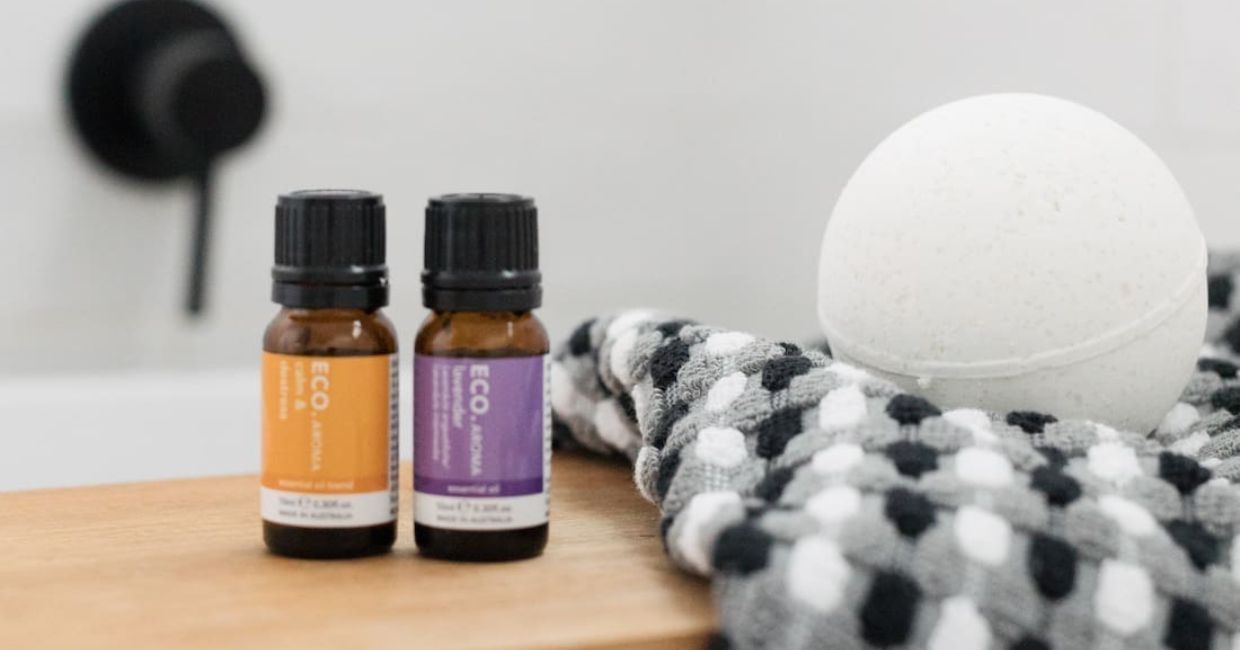
In today’s fast-paced world, stress has become an unavoidable part of life. From work pressures to personal challenges, our minds and bodies are constantly in a state of tension. While traditional methods like meditation, exercise, and therapy are highly effective, many people are turning to natural solutions such as essential oils to manage stress. Essential oils, derived from plants, flowers, and herbs, offer powerful therapeutic benefits. They can calm the mind, relax the body, and improve overall well-being.
Peppermint Oil Benefits You Should Know
What Are Essential Oils?
Essential oils are concentrated plant extracts obtained through distillation or cold pressing. Unlike herbal supplements, essential oils capture the aromatic and chemical properties of plants in a highly potent form. These oils have been used for centuries in traditional medicine, aromatherapy, and spiritual rituals.
Essential oils work on both physical and emotional levels. When inhaled, their molecules stimulate the olfactory system, sending signals to the brain’s limbic system, which governs emotions, memory, and stress responses. When applied topically (with proper dilution), they can influence the nervous system, promoting relaxation and reducing tension.
How Essential Oils Help Relieve Stress
Stress manifests as both mental and physical tension. Chronic stress can lead to fatigue, irritability, headaches, high blood pressure, and even immune system suppression. Essential oils relieve stress through several mechanisms:
- Calming the Nervous System: Many essential oils contain compounds that promote relaxation, reduce heart rate, and lower blood pressure.
- Improving Sleep: Stress often disrupts sleep patterns. Certain oils encourage deeper, restorative sleep.
- Enhancing Mood: Aromatherapy can boost serotonin levels and reduce cortisol, the body’s primary stress hormone.
- Mind-Body Connection: Using oils as part of meditation, massage, or self-care rituals reinforces a sense of calm and mindfulness.
By integrating essential oils into your routine, you can experience both immediate relaxation and long-term stress resilience.
Top Essential Oils for Stress Relief
Here’s a detailed guide to some of the most effective essential oils for managing stress, their benefits, and usage tips.
1. Lavender Essential Oil
Benefits:
Lavender is one of the most widely studied essential oils for stress relief. Its soothing aroma helps calm the nervous system, reduce anxiety, and improve sleep quality. Lavender also has mild analgesic properties, which can relieve tension headaches caused by stress.
How to Use:
- Add a few drops to a diffuser and inhale during stressful moments.
- Mix with a carrier oil and massage onto the temples, neck, and shoulders.
- Add to a warm bath to promote relaxation before bedtime.
Scientific Evidence:
Research shows that lavender aromatherapy can reduce cortisol levels and promote a sense of calm in individuals with anxiety and stress-related disorders.
2. Chamomile Essential Oil
Benefits:
Chamomile, often used as a calming tea, is equally effective as an essential oil. Its floral, apple-like scent promotes relaxation, eases anxiety, and can help with insomnia. Chamomile also has mild anti-inflammatory properties, making it helpful for stress-related muscle tension.
How to Use:
- Diffuse in the bedroom before sleep.
- Add a few drops to a warm compress and apply to the forehead or temples.
- Blend with coconut oil for a gentle massage.
Scientific Evidence:
Studies indicate that chamomile aromatherapy and topical applications reduce symptoms of generalized anxiety disorder (GAD) and improve mood.
3. Bergamot Essential Oil
Benefits:
Bergamot oil, extracted from the rind of citrus fruits, has a fresh, uplifting scent. It is particularly effective for reducing anxiety and depression. Bergamot stimulates the brain’s release of dopamine and serotonin, enhancing mood and providing a calming effect.
How to Use:
- Use in a diffuser during work or study to reduce mental fatigue.
- Add to bathwater to create a spa-like relaxation experience.
- Combine with carrier oils for a soothing massage.
Scientific Evidence:
Clinical trials suggest that inhaling bergamot essential oil reduces heart rate and blood pressure, both of which rise during stress.
4. Ylang Ylang Essential Oil
Benefits:
Ylang ylang oil has a sweet, floral aroma that is known to reduce stress and promote emotional balance. It is particularly effective in lowering blood pressure and heart rate, making it a natural ally for anxiety management.
How to Use:
- Diffuse during meditation or yoga sessions.
- Add to massage oils for a calming body treatment.
- Use in a bath to ease tension and induce relaxation.
Scientific Evidence:
Research has shown that ylang ylang aromatherapy can decrease physiological stress markers, including cortisol, and improve subjective feelings of calm.
5. Frankincense Essential Oil
Benefits:
Frankincense has been valued for centuries in spiritual and wellness practices. Its grounding, earthy aroma promotes deep relaxation and mental clarity. Frankincense is also known to enhance meditation, reduce anxiety, and support immune function under stress.
How to Use:
- Diffuse in a quiet space for meditation or reflection.
- Apply topically (diluted with carrier oil) to pulse points.
- Combine with other oils like lavender or bergamot for a synergistic effect.
Scientific Evidence:
Studies indicate that frankincense aromatherapy can help regulate mood and reduce stress-related symptoms.
6. Rose Essential Oil
Benefits:
Rose oil is celebrated for its mood-lifting and calming properties. The sweet, floral fragrance can alleviate anxiety, combat depressive feelings, and promote emotional well-being. Rose oil is also beneficial for hormonal balance, which can be disrupted by chronic stress.
How to Use:
- Inhale directly from the bottle or use in a diffuser.
- Mix with a carrier oil for a relaxing hand or neck massage.
- Add a few drops to skincare products for a luxurious calming effect.
Scientific Evidence:
Research shows that rose aromatherapy can decrease blood pressure, lower cortisol, and enhance positive mood states.
7. Clary Sage Essential Oil
Benefits:
Clary sage is particularly helpful for stress-related hormonal imbalances. Its soothing aroma can relieve tension, ease anxiety, and promote mental clarity. Women often find clary sage helpful for stress associated with menstrual cycles or menopause.
How to Use:
- Diffuse in your home or office to reduce stress and mental fatigue.
- Blend with a carrier oil for a calming massage.
- Add a few drops to bathwater for emotional relaxation.
Scientific Evidence:
Studies suggest that clary sage aromatherapy reduces cortisol levels and improves feelings of relaxation in stressed individuals.
8. Vetiver Essential Oil
Benefits:
Vetiver, known as the “oil of tranquility,” has a deep, earthy aroma that is incredibly grounding. It is particularly useful for individuals dealing with nervous tension, anxiety, or insomnia. Vetiver promotes mental focus while calming the body.
How to Use:
- Apply diluted oil to the soles of the feet before sleep.
- Diffuse in a quiet space for meditation.
- Combine with sandalwood or lavender for a relaxing blend.
Scientific Evidence:
Research shows that vetiver aromatherapy reduces anxiety, lowers blood pressure, and promotes deep, restorative sleep.
How to Use Essential Oils for Stress Relief
Essential oils are versatile and can be used in multiple ways. Here are some popular methods:
1. Aromatherapy Diffusion
Using a diffuser is one of the simplest ways to enjoy essential oils. Diffusers disperse the oil into the air, allowing inhalation of therapeutic molecules.
Tips:
- Use 5–10 drops per 100 ml of water.
- Diffuse for 30–60 minutes to avoid overexposure.
- Combine complementary oils like lavender and bergamot for enhanced effects.
2. Topical Application
Essential oils can be applied directly to the skin, but always dilute with a carrier oil (like coconut, jojoba, or almond oil) to prevent irritation.
Popular application areas:
- Temples and forehead
- Neck and shoulders
- Soles of the feet
3. Bath Therapy
Adding essential oils to a warm bath provides both inhalation and skin absorption benefits. The heat and water help release the aroma, promoting relaxation.
Tips:
- Mix oils with a tablespoon of carrier oil before adding to water.
- Consider combining with Epsom salts for added relaxation.
4. Massage
Massaging essential oils into the body promotes blood circulation, reduces muscle tension, and enhances relaxation.
Tips:
- Dilute oils to a 2–5% concentration for full-body use.
- Focus on tense areas such as the shoulders, back, and neck.
5. Meditation and Mindfulness Practices
Incorporating essential oils into meditation or yoga routines can heighten focus, calm the mind, and deepen relaxation.
Safety Tips for Using Essential Oils
While essential oils are natural, they are highly concentrated and require careful use:
- Dilute Properly: Never apply essential oils directly to the skin without dilution.
- Patch Test: Test on a small area before full application to check for allergic reactions.
- Avoid Ingestion: Unless prescribed by a certified professional, do not ingest essential oils.
- Pregnancy and Medical Conditions: Consult a healthcare provider if pregnant, nursing, or managing chronic illnesses.
- Storage: Keep oils in dark, airtight bottles away from sunlight to preserve potency.
Creating Your Personal Stress-Relief Blend
Mixing essential oils allows you to tailor the aroma and therapeutic effects. Here’s a simple recipe:
Relaxing Blend:
- 3 drops Lavender
- 2 drops Bergamot
- 2 drops Frankincense
- 1 teaspoon carrier oil
Use this blend for a calming massage, or diffuse in your home during stressful moments.
Conclusion
Essential oils are a natural, effective way to manage stress and promote emotional well-being. Oils like lavender, chamomile, bergamot, ylang ylang, frankincense, rose, clary sage, and vetiver offer unique therapeutic properties that soothe the mind and relax the body. By incorporating aromatherapy, topical applications, baths, or massage into your routine, you can create a sanctuary of calm amid the chaos of modern life.
While essential oils are not a substitute for professional treatment in severe stress or anxiety disorders, they are a powerful tool for daily stress management. With proper use and care, these oils can transform ordinary self-care into a deeply restorative ritual.
Embrace the power of nature, inhale peace, and let essential oils guide you toward a calmer, balanced life.