
In today’s fast-paced world, eating healthy can feel like a full-time job. Between juggling work, family, and personal responsibilities, the idea of planning, shopping for, and cooking nutritious meals often seems overwhelming. But what if eating well didn’t have to be complicated?
The truth is, healthy eating doesn’t require fancy recipes, expensive ingredients, or hours in the kitchen. The secret lies in one simple habit: meal planning.
When done right, meal planning saves you time, money, and stress — all while helping you make healthier food choices. Whether you’re trying to lose weight, boost energy, or just eat more balanced meals, a good plan can make all the difference.
7 Nutrition Mistakes You Should Avoid
What Is Meal Planning and Why It Matters
Meal planning is simply deciding ahead of time what you’ll eat — for a day, a week, or even longer. It’s about making thoughtful choices before hunger strikes or busy schedules take over.
When you plan your meals, you gain control over what goes into your body. You’re less likely to grab takeout, skip meals, or reach for processed snacks. Instead, you build a structure that supports balanced nutrition and healthier habits.
The Benefits of Meal Planning
- Saves Time: No more last-minute decisions about what to cook. You’ll know exactly what’s on the menu and have ingredients ready.
- Reduces Stress: Planning eliminates the daily “what should I eat?” dilemma.
- Improves Nutrition: You’re more mindful about including fruits, vegetables, whole grains, and lean proteins.
- Prevents Food Waste: When you shop with a plan, you only buy what you’ll use.
- Saves Money: You’ll spend less on takeout and impulse grocery buys.
- Helps with Weight Management: Balanced meals reduce overeating and unhealthy snacking.
In short, a little planning goes a long way toward achieving your health goals without complicating your life.
Step 1: Set Clear Health and Nutrition Goals
Before you start meal planning, it’s important to define your purpose. Are you trying to lose weight, gain muscle, improve digestion, or simply eat cleaner?
Your goals will shape your meal choices, portion sizes, and even your cooking methods.
For example:
- If your goal is weight loss, focus on calorie control, high-protein meals, and lots of vegetables.
- If your goal is muscle gain, prioritize protein-rich foods, whole grains, and healthy fats.
- If you want better digestion, include fiber-rich fruits, vegetables, and probiotics like yogurt or kefir.
Having a clear goal helps you plan meals that match your body’s needs rather than following random diet trends.
Step 2: Understand the Basics of a Balanced Meal
A healthy meal isn’t about restriction — it’s about balance. Each meal should include a mix of macronutrients and micronutrients to fuel your body and keep you satisfied.
Here’s a simple breakdown:
- Protein: Builds and repairs tissues (e.g., chicken, eggs, lentils, tofu, fish)
- Complex Carbohydrates: Provide long-lasting energy (e.g., brown rice, oats, quinoa, sweet potatoes)
- Healthy Fats: Support brain health and hormone balance (e.g., avocados, olive oil, nuts, seeds)
- Fiber: Aids digestion and helps control appetite (e.g., fruits, veggies, whole grains)
- Vitamins & Minerals: Found naturally in colorful foods like berries, greens, and citrus fruits
A simple visual rule:
Fill half your plate with vegetables, a quarter with protein, and a quarter with whole grains — then add a small portion of healthy fats.
This balance ensures that your body gets the nutrients it needs without feeling deprived.
Step 3: Choose Recipes You Actually Enjoy
The biggest mistake people make when meal planning is trying to follow unrealistic or boring recipes. If you don’t enjoy what you eat, you won’t stick to it.
How to Pick the Right Recipes
- Start with familiar meals and make them healthier.
- Choose recipes with few ingredients and short prep times.
- Mix and match cuisines to keep things interesting.
- Make sure your plan fits your cooking skill level and schedule.
For instance, if you love pasta, you don’t have to give it up. Try whole-grain or lentil pasta with vegetables and grilled chicken instead. It’s about upgrading your favorites, not eliminating them.
Step 4: Create a Weekly Meal Plan
Once you’ve set your goals and chosen recipes, it’s time to build a weekly meal plan. This step makes healthy eating automatic.
Here’s how to do it:
- Pick Your Planning Day: Many people plan meals on Sunday or Friday for the week ahead.
- Decide How Many Meals You’ll Plan: You can plan all meals or just lunches and dinners if breakfast is simple.
- Write It Out: Use a notebook, meal planner app, or printable chart to map out your meals.
- Include Snacks: Planning healthy snacks prevents mindless eating.
Sample 3-Day Meal Plan Example:
Day 1:
- Breakfast: Greek yogurt with berries and chia seeds
- Lunch: Grilled chicken salad with olive oil dressing
- Snack: Almonds and an apple
- Dinner: Baked salmon, quinoa, and steamed broccoli
Day 2:
- Breakfast: Oatmeal topped with banana and peanut butter
- Lunch: Turkey and avocado wrap with mixed greens
- Snack: Carrot sticks with hummus
- Dinner: Stir-fried tofu with brown rice and veggies
Day 3:
- Breakfast: Smoothie with spinach, berries, and protein powder
- Lunch: Quinoa bowl with chickpeas and roasted vegetables
- Snack: Greek yogurt with honey
- Dinner: Grilled shrimp tacos with salsa and guacamole
This type of plan gives structure while leaving room for flexibility.
Step 5: Make a Smart Grocery List
A well-organized grocery list is the backbone of successful meal planning. It keeps you focused and prevents impulse buying.
How to Build It:
- Check Your Pantry First: Avoid buying items you already have.
- Group Items by Category: Organize by produce, grains, protein, dairy, and pantry staples.
- Stick to Whole Foods: Choose fresh, unprocessed items over packaged ones.
- Plan for Leftovers: Buy in bulk for staple items like rice, oats, or beans.
Example Grocery List:
Proteins: Chicken breast, eggs, salmon, tofu, Greek yogurt
Vegetables: Spinach, broccoli, bell peppers, carrots, kale
Fruits: Apples, bananas, berries, oranges
Grains: Brown rice, quinoa, oats, whole-grain bread
Healthy Fats: Olive oil, avocado, almonds, chia seeds
Pantry Essentials: Black beans, lentils, spices, whole-grain pasta
With a clear list, grocery shopping becomes faster, cheaper, and less stressful.
Step 6: Prep in Advance
Meal prep doesn’t mean spending your entire weekend cooking. It’s about getting ahead with small, smart steps that make weekday eating easier.
Simple Meal Prep Ideas:
- Batch cook grains like rice or quinoa for the week.
- Chop vegetables and store them in airtight containers.
- Cook proteins like chicken or tofu in bulk.
- Prepare grab-and-go snacks (trail mix, boiled eggs, fruit cups).
- Store meals in portioned containers for quick reheating.
Even prepping for just one hour can save you hours of decision-making later in the week.
Pro Tip:
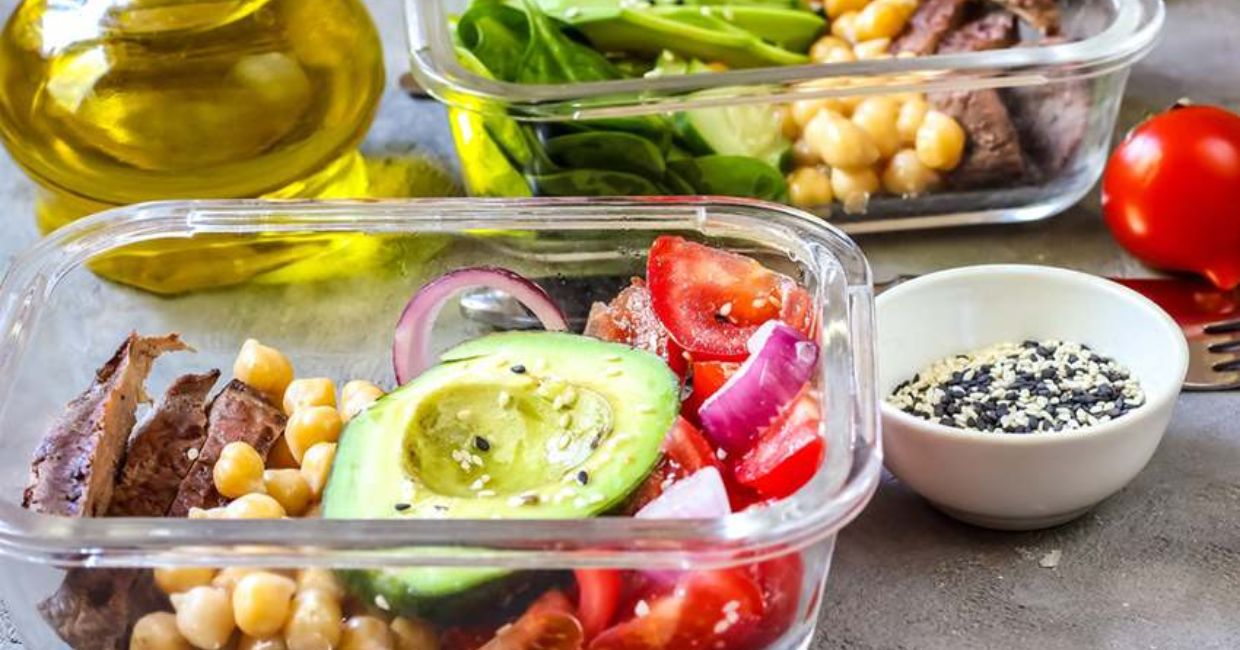
Use clear glass containers so you can see what’s inside. This helps you eat what you’ve prepared instead of forgetting about it in the fridge.
Step 7: Keep It Flexible
Meal planning shouldn’t feel rigid. Life happens — work meetings, dinners out, or spontaneous cravings. A good plan should adapt to your lifestyle.
How to Stay Flexible:
- Swap meals between days if needed.
- Keep backup options like frozen veggies, canned tuna, or soup on hand.
- Don’t stress if you eat out — just get back to your plan at the next meal.
Remember, meal planning is meant to make your life easier, not restrict it. Think of it as a guide, not a rulebook.
Common Meal Planning Mistakes to Avoid
Even with the best intentions, many people make mistakes when starting out. Here are a few to watch out for:
1. Overcomplicating the Plan
You don’t need gourmet meals every day. Start simple with 3–5 easy recipes per week.
2. Ignoring Portion Sizes
Healthy food can still cause weight gain if portions are too large. Use a balanced plate approach.
3. Not Accounting for Leftovers
Cooking too much without using leftovers leads to food waste. Plan meals that can double up for lunch the next day.
4. Forgetting Snacks
When you don’t plan healthy snacks, you’re more likely to grab junk food when hunger strikes.
5. Skipping Variety
Eating the same thing every day can cause “meal fatigue.” Switch up proteins, grains, and veggies weekly to stay inspired.
Tips for Sticking to Your Meal Plan
Once you’ve created a plan, consistency is key. These small habits will help you stay on track:
1. Schedule Meal Prep Time
Block a couple of hours each week in your calendar — treat it like an important appointment.
2. Use Technology
Apps like Mealime, Yummly, or MyFitnessPal can help you organize recipes, plan portions, and track nutrition.
3. Cook Double Batches
Whenever you cook, make extra portions. Freeze them for busy days when you don’t have time to cook.
4. Make It a Family Activity
Get your family involved — let kids pick a meal or help with prep. This encourages healthy eating habits for everyone.
5. Celebrate Progress
Don’t aim for perfection. Even if you stick to your plan 70–80% of the time, that’s a huge success.
Healthy Meal Planning on a Budget
Eating healthy doesn’t have to be expensive. With a few smart strategies, you can eat well without breaking the bank.
Budget-Friendly Tips:
- Buy in bulk: Grains, beans, and lentils are cheap and versatile.
- Choose seasonal produce: Fresh fruits and vegetables are cheaper in season.
- Cook at home: Homemade meals cost less than takeout.
- Freeze extras: Don’t waste leftovers — freeze for later use.
- Try plant-based meals: Beans, lentils, and eggs are affordable protein sources.
Simple, home-cooked meals often end up being both healthier and cheaper than restaurant options.
Sample 1-Week Healthy Meal Plan
Here’s an example of what a simple, balanced week could look like:
Monday:
- Breakfast: Overnight oats with chia seeds and blueberries
- Lunch: Grilled chicken with brown rice and veggies
- Dinner: Lentil soup with whole-grain bread
Tuesday:
- Breakfast: Greek yogurt with nuts and honey
- Lunch: Quinoa salad with chickpeas and avocado
- Dinner: Baked salmon with sweet potato and asparagus
Wednesday:
- Breakfast: Scrambled eggs with spinach and toast
- Lunch: Turkey wrap with hummus and greens
- Dinner: Veggie stir-fry with tofu
Thursday:
- Breakfast: Smoothie bowl with banana, oats, and almond butter
- Lunch: Chicken quinoa bowl
- Dinner: Shrimp tacos with guacamole
Friday:
- Breakfast: Oatmeal with apple slices
- Lunch: Lentil and veggie soup
- Dinner: Grilled fish with rice and salad
Saturday:
- Breakfast: Pancakes made with oat flour
- Lunch: Tuna sandwich on whole-grain bread
- Dinner: Chicken curry with brown rice
Sunday:
- Breakfast: Eggs and avocado toast
- Lunch: Mixed greens with grilled tofu
- Dinner: Whole-wheat pasta with tomato sauce and veggies
This plan provides balance, variety, and flavor — without feeling restrictive or complicated.
Final Thoughts
Healthy eating doesn’t have to be confusing, expensive, or time-consuming. The key lies in planning ahead and keeping it simple. By taking a few minutes each week to organize your meals, you’ll save hours later — and your body will thank you for it.
Meal planning is not about perfection; it’s about progress. Start small, stay consistent, and build habits that make healthy eating effortless.
Remember, your health is the sum of small daily choices. With healthy meal planning made simple, you can nourish your body, save time, and enjoy delicious food — every single day.