
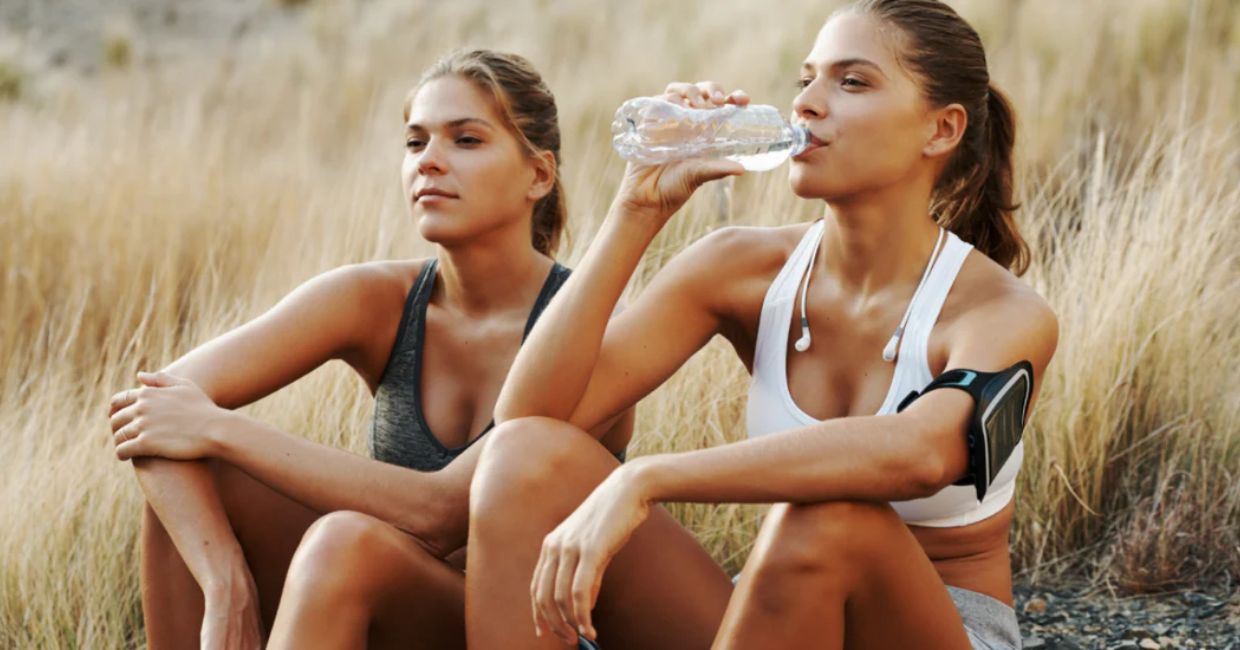
Hydration is one of the most talked-about health topics today. From fitness influencers to wellness blogs, everyone seems to have advice on how much water you should drink and when. While staying hydrated is essential for survival and overall well-being, there are many hydration myths that continue to confuse people and sometimes even harm their health.
Many of these myths have been passed down for years without scientific backing, while others have been exaggerated by marketing campaigns. The truth is that hydration is not a one-size-fits-all concept. Your body’s water needs depend on various factors such as age, climate, activity level, diet, and overall health.
In this article, we will break down the most common hydration myths you need to stop believing and replace them with facts you can trust. Understanding the truth about hydration can help you make better choices for your body and avoid unnecessary stress around water intake.
How to Stay Hydrated All Day Long
Myth 1: You Must Drink 8 Glasses of Water a Day
One of the most popular hydration myths is the idea that everyone must drink exactly eight glasses of water daily. This rule has been repeated so often that many people treat it as a law of health.
The Truth
There is no universal number that applies to everyone. Water needs vary greatly from person to person. Factors such as body size, physical activity, weather, diet, and overall health all influence how much water your body requires.
Some people may need more than eight glasses, while others may need less. For example, someone who exercises regularly in hot weather will require more fluids than someone who is mostly sedentary in a cool environment.
The best indicator of proper hydration is listening to your body. Thirst, urine color, and energy levels are better guides than an arbitrary number.
Myth 2: If You’re Thirsty, You’re Already Dehydrated
Many people believe that thirst is a late warning sign of dehydration and that you should never feel thirsty if you’re properly hydrated.
The Truth
Thirst is your body’s natural and effective way of signaling that it needs fluids. Feeling thirsty does not automatically mean you are dangerously dehydrated. It simply means your body is asking for water.
Severe dehydration develops over time and usually includes additional symptoms such as dizziness, fatigue, dry mouth, and dark urine. In most everyday situations, responding to thirst promptly is enough to maintain healthy hydration levels.
Ignoring thirst signals in fear of dehydration can actually lead to overhydration, which can also be harmful.
Myth 3: Clear Urine Means Perfect Hydration
Many hydration guides suggest that clear urine is the ultimate sign of being well hydrated. While urine color can offer clues, relying on it alone can be misleading.
The Truth
Pale yellow urine generally indicates good hydration. Completely clear urine may actually suggest that you are drinking more water than your body needs.
Overhydration can dilute essential electrolytes in the body, leading to symptoms like headaches, nausea, and fatigue. Hydration is about balance, not excess.
Instead of aiming for perfectly clear urine, aim for a light yellow color along with normal energy levels and overall comfort.
Myth 4: Only Water Counts Toward Hydration
Another common misconception is that only plain water contributes to hydration and that other beverages don’t count.
The Truth
Many fluids contribute to your daily hydration needs, including herbal teas, milk, soups, smoothies, and even coffee in moderate amounts. Fruits and vegetables with high water content, such as watermelon, cucumber, oranges, and lettuce, also play a significant role in keeping you hydrated.
While water is still the best and most natural option, it’s important to understand that hydration comes from multiple sources throughout the day.
That said, sugary drinks and excessive caffeine should be limited, as they can have other negative health effects when consumed in large quantities.
Myth 5: Drinking More Water Automatically Improves Skin
Water is often marketed as a miracle solution for glowing, flawless skin. Many people believe that simply drinking more water will eliminate acne, wrinkles, and dryness.
The Truth
Hydration does support overall skin health, but it is not a magic cure. Skin appearance is influenced by many factors, including genetics, diet, skincare routine, sun exposure, and hormones.
Drinking enough water helps maintain skin elasticity and supports natural detoxification processes, but excessive water intake will not suddenly transform your skin. Proper nutrition, skincare, and lifestyle habits are equally important.
Myth 6: You Can’t Drink Too Much Water
Because water is essential for life, many people assume that there is no harm in drinking as much as possible.
The Truth
It is possible to drink too much water, a condition known as water intoxication or hyponatremia. This happens when excessive water intake dilutes sodium levels in the blood, disrupting the body’s balance.
Symptoms can include headaches, nausea, confusion, muscle cramps, and in severe cases, life-threatening complications. While this condition is rare, it highlights the importance of balanced hydration rather than extreme habits.
Listening to your body and drinking according to your needs is safer than forcing yourself to consume large amounts of water.
Myth 7: You Don’t Need Extra Water in Cold Weather
Many people associate dehydration only with hot weather and sweating, believing that cold climates reduce the need for water.
The Truth
Your body still loses water in cold weather through breathing, sweating, and urination. Cold air is often dry, which can increase fluid loss through respiration.
In winter, people tend to drink less water because they don’t feel as thirsty, but hydration remains just as important. Warm beverages, soups, and water-rich foods can help maintain hydration during colder months.
Myth 8: Sports Drinks Are Necessary for Everyone
Sports drinks are often advertised as essential for hydration, especially during physical activity.
The Truth
For most people engaging in light to moderate exercise, plain water is sufficient. Sports drinks are designed for intense, prolonged physical activity where significant electrolyte loss occurs.
These drinks often contain added sugars and calories that are unnecessary for casual workouts. Unless you are training intensely for long periods, water combined with a balanced diet is usually enough to maintain hydration and electrolyte balance.
Myth 9: Coffee and Tea Dehydrate You
Caffeinated beverages have long been blamed for causing dehydration due to their mild diuretic effect.
The Truth
While caffeine can slightly increase urine output, moderate consumption of coffee and tea does not cause dehydration. These beverages still contribute to overall fluid intake.
The key is moderation. Excessive caffeine intake can lead to restlessness, sleep issues, and digestive discomfort, but enjoying coffee or tea as part of your daily routine does not cancel out hydration.
Myth 10: Everyone Needs the Same Hydration Routine
Many hydration plans promote rigid schedules, such as drinking water at specific times regardless of individual needs.
The Truth
Hydration is highly personal. Age, body composition, health conditions, diet, physical activity, and climate all influence how much water you need.
Some people feel best drinking small amounts throughout the day, while others prefer fewer, larger intakes. There is no single routine that works for everyone. The best approach is one that supports your energy, digestion, and overall well-being.
How to Hydrate the Right Way
Instead of following myths, focus on practical hydration habits that support your lifestyle:
- Drink when you feel thirsty
- Pay attention to urine color and energy levels
- Include water-rich foods in your diet
- Adjust intake based on activity and climate
- Avoid extremes of too little or too much water
Hydration should feel natural and sustainable, not stressful or forced.
Final Thoughts
Hydration is essential, but misinformation can make it unnecessarily complicated. Believing hydration myths can lead to unhealthy habits, confusion, and even health risks. The key is understanding that your body is intelligent and capable of signaling its needs when you pay attention.
By letting go of outdated hydration myths and focusing on balance, awareness, and consistency, you can support your health in a more effective and realistic way. Hydration is not about strict rules—it’s about listening to your body and giving it what it needs to function at its best.