
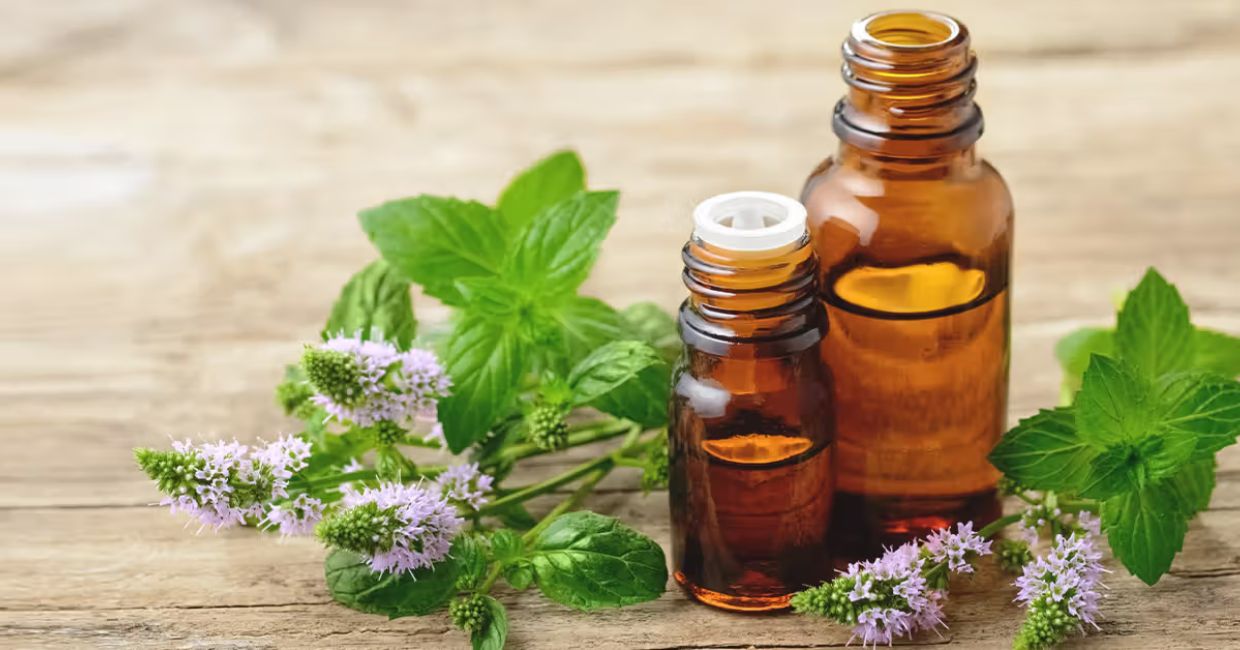
Peppermint oil is a versatile essential oil derived from the leaves of the peppermint plant (Mentha piperita). Known for its refreshing aroma and cooling sensation, peppermint oil has been used for centuries in traditional medicine and aromatherapy for a wide range of health benefits. From easing digestive issues to enhancing mental clarity, this oil is celebrated for its natural healing properties.
In this comprehensive guide, we’ll explore the benefits of peppermint oil, how to use it safely, and why it deserves a place in your wellness routine.
How to Use Lavender Oil for Better Sleep
1. Understanding Peppermint Oil
Peppermint oil is extracted through steam distillation of the peppermint leaves. It contains several active compounds, including:
- Menthol: Provides the cooling effect and helps relax muscles.
- Menthone: Contributes to the oil’s aromatic profile.
- Flavonoids and antioxidants: Protect cells from damage.
- Phenolic compounds: Support digestion and immune health.
Its unique combination of compounds gives peppermint oil its antimicrobial, anti-inflammatory, analgesic, and soothing properties.
2. Top Peppermint Oil Benefits You Should Know
a. Relieves Digestive Issues
Peppermint oil is widely recognized for its ability to support digestive health. It helps relax the muscles of the gastrointestinal tract, reducing spasms and discomfort.
Benefits:
- Relieves bloating, gas, and indigestion.
- Eases irritable bowel syndrome (IBS) symptoms.
- Reduces nausea and morning sickness.
How to Use:
- Take enteric-coated peppermint oil capsules (consult a healthcare provider).
- Add 1–2 drops of peppermint oil to a cup of warm water (diluted) for mild digestive relief.
Why It Works:
Menthol in peppermint oil relaxes intestinal muscles, allowing trapped gas to pass and alleviating bloating.
b. Eases Headaches and Migraines
Peppermint oil’s cooling and analgesic properties make it effective for headache relief.
Benefits:
- Reduces tension headaches.
- Relieves migraine symptoms.
- Improves blood flow to the brain.
How to Use:
- Dilute 2–3 drops in a carrier oil (like coconut or jojoba) and massage onto the temples, forehead, and neck.
- Inhale peppermint oil from a diffuser for a refreshing effect.
Why It Works:
Menthol increases blood circulation and provides a cooling sensation that relaxes tight muscles and reduces headache intensity.
c. Supports Respiratory Health
Peppermint oil can ease respiratory discomfort and improve breathing, making it especially helpful during cold and flu season.
Benefits:
- Clears nasal congestion.
- Soothes sore throat and cough.
- Acts as a natural decongestant.
How to Use:
- Add a few drops of peppermint oil to a bowl of hot water and inhale the steam.
- Mix peppermint oil with eucalyptus oil in a diffuser to open airways.
Why It Works:
The menthol in peppermint oil has natural expectorant properties, helping loosen mucus and promote clear breathing.
d. Boosts Mental Clarity and Energy
Peppermint oil is not only good for the body but also for the mind. Its invigorating aroma stimulates alertness and improves cognitive function.
Benefits:
- Enhances concentration and focus.
- Reduces mental fatigue.
- Improves mood and reduces stress.
How to Use:
- Inhale peppermint oil directly from the bottle or a diffuser.
- Add 1–2 drops to your pillow or workspace to stay alert.
Why It Works:
The scent of peppermint oil activates areas of the brain associated with alertness and mental clarity, helping combat fatigue and improve productivity.
e. Relieves Muscle Pain and Soreness
Peppermint oil is often used in massage therapy due to its muscle-relaxing and cooling properties.
Benefits:
- Reduces muscle stiffness and tension.
- Soothes joint pain.
- Relieves cramps and spasms.
How to Use:
- Mix 3–5 drops of peppermint oil with a carrier oil and massage onto sore muscles.
- Add peppermint oil to a warm bath for overall body relaxation.
Why It Works:
Menthol activates cold receptors in the skin, which creates a cooling sensation that reduces muscle discomfort and inflammation.
f. Promotes Oral Health
Peppermint oil is commonly used in dental care for its antibacterial and refreshing qualities.
Benefits:
- Fights bacteria that cause bad breath.
- Helps prevent cavities and gum disease.
- Freshens breath naturally.
How to Use:
- Add a drop of peppermint oil to homemade toothpaste or mouthwash.
- Chew a peppermint leaf or inhale the scent to freshen breath.
Why It Works:
Peppermint oil contains antibacterial compounds that reduce harmful oral bacteria while leaving a clean, fresh feeling.
g. Supports Skin Health
Peppermint oil can be a natural remedy for various skin concerns, thanks to its soothing and cooling properties.
Benefits:
- Reduces inflammation and redness.
- Soothes itchy skin and rashes.
- Helps control excess oil and acne.
How to Use:
- Dilute peppermint oil with a carrier oil and apply to affected areas.
- Add a drop to face masks or creams for added cooling effects.
Why It Works:
The menthol in peppermint oil has a calming effect on irritated skin and improves circulation, promoting healing.
h. Aids Weight Management
Peppermint oil may indirectly support weight management by reducing appetite and improving digestion.
Benefits:
- Helps curb food cravings.
- Enhances digestion and metabolism.
- Supports healthy eating habits.
How to Use:
- Inhale peppermint oil before meals to reduce appetite.
- Add a drop to water (diluted) for a refreshing drink.
Why It Works:
The aroma of peppermint oil stimulates the olfactory system, signaling satiety and reducing overeating tendencies.
i. Natural Insect Repellent
Peppermint oil is a safe and natural way to repel insects.
Benefits:
- Keeps mosquitoes, ants, and spiders away.
- Provides a safe alternative to chemical repellents.
How to Use:
- Mix peppermint oil with water in a spray bottle and apply around the home.
- Apply diluted peppermint oil to exposed skin when outdoors.
Why It Works:
The strong scent of peppermint is unpleasant to insects, keeping them away without harmful chemicals.
j. Promotes Hair Health
Peppermint oil supports scalp and hair health, making it a popular ingredient in natural hair care.
Benefits:
- Stimulates hair growth by increasing blood flow to the scalp.
- Reduces dandruff and scalp irritation.
- Leaves hair smelling fresh.
How to Use:
- Add a few drops to your shampoo or conditioner.
- Mix with a carrier oil and massage into the scalp before washing.
Why It Works:
The menthol content improves circulation in the scalp and provides a cooling effect, promoting healthy hair growth.
3. How to Use Peppermint Oil Safely
While peppermint oil is versatile, it is highly concentrated and should be used with care:
- Dilute Before Use: Always mix with a carrier oil (like coconut, almond, or jojoba) before applying to the skin.
- Avoid Ingesting Undiluted Oil: Pure peppermint oil is very strong and can irritate the digestive tract.
- Patch Test: Test a small amount on your skin before full use to avoid allergic reactions.
- Keep Away From Eyes and Mucous Membranes: Menthol can cause burning if it comes into contact with sensitive areas.
- Consult a Doctor: If pregnant, breastfeeding, or taking medications, seek professional advice before use.
4. Ways to Incorporate Peppermint Oil Into Daily Life
Here are some practical ways to include peppermint oil in your routine:
- Diffuser: Add a few drops to a diffuser to freshen the air and boost focus.
- Topical Application: Dilute in a carrier oil and massage onto sore muscles or temples.
- Aromatherapy: Inhale directly from the bottle to relieve stress or nausea.
- Oral Care: Add to toothpaste or mouthwash for antibacterial protection.
- Bath: Mix with Epsom salts for a refreshing and relaxing soak.
5. Peppermint Oil in Combination With Other Oils
Peppermint oil works well with other essential oils for enhanced benefits:
- Lavender Oil: Combines relaxation with pain relief.
- Eucalyptus Oil: Improves respiratory health and congestion relief.
- Tea Tree Oil: Boosts antibacterial effects for skin and scalp care.
- Lemon Oil: Enhances mental clarity and energy.
6. Precautions and Contraindications
Peppermint oil is generally safe for adults, but some precautions are necessary:
- Children: Use sparingly and always dilute. Avoid direct ingestion.
- Pregnancy & Nursing: Consult a doctor before use.
- Gastroesophageal Reflux Disease (GERD): Peppermint oil may worsen symptoms in some people.
- Allergies: Discontinue use if irritation or rash occurs.
7. The Science Behind Peppermint Oil Benefits
Studies have shown the efficacy of peppermint oil in various applications:
- Digestive Health: Enteric-coated peppermint capsules reduce IBS symptoms.
- Headache Relief: Topical peppermint oil can reduce tension headache intensity.
- Respiratory Support: Inhalation of peppermint oil alleviates nasal congestion.
- Mental Focus: Peppermint aroma improves alertness and cognitive performance.
Scientific evidence supports many of the traditional uses of peppermint oil, validating its effectiveness and safety when used correctly.
8. Conclusion
Peppermint oil is more than just a fragrant essential oil; it’s a powerful, natural remedy with a wide array of health benefits. From digestive support to mental clarity, headache relief, respiratory wellness, and skin and hair care, this essential oil is versatile and effective.
Incorporating peppermint oil into your daily life, whether through aromatherapy, topical application, or safe supplementation, can enhance your overall well-being. With its cooling sensation, invigorating aroma, and potent therapeutic properties, peppermint oil truly deserves a place in your natural wellness toolkit.
By understanding how to use it safely and effectively, you can unlock the full potential of peppermint oil benefits you should know, creating a healthier, more energized, and balanced lifestyle.