
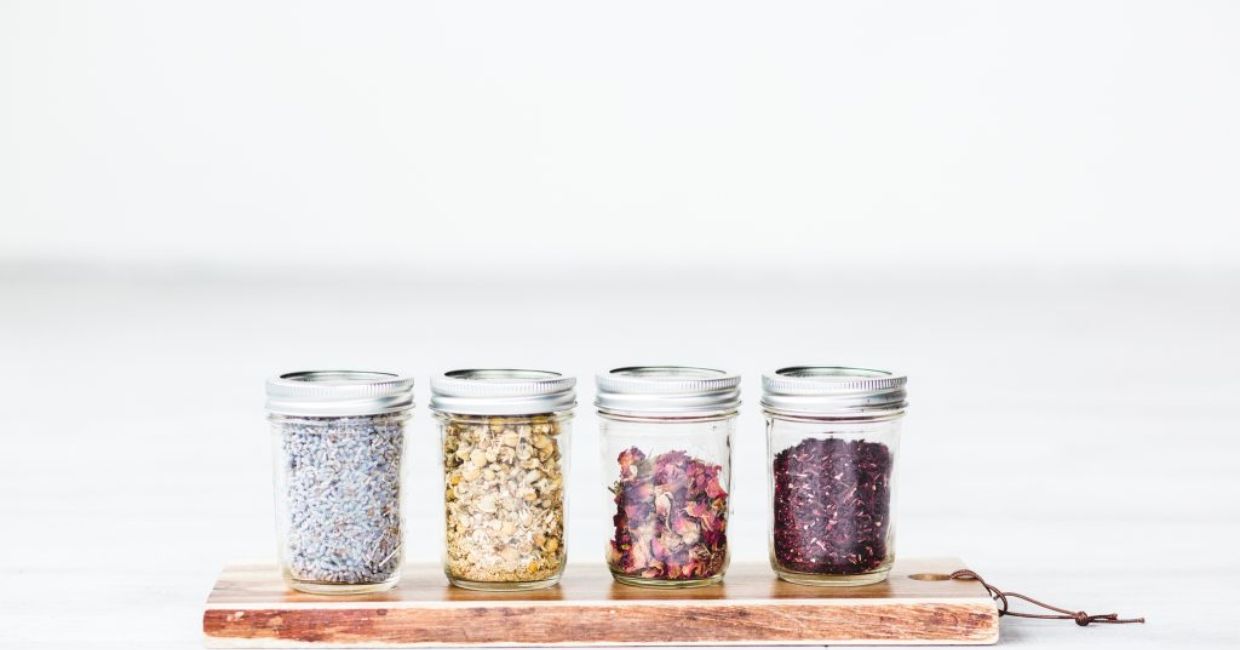
A healthy digestive system is at the core of overall well-being. It determines how effectively your body absorbs nutrients, eliminates toxins, and maintains energy levels. However, modern lifestyles filled with processed foods, stress, and irregular eating habits can disrupt digestion, leading to bloating, constipation, heartburn, and other gastrointestinal discomforts.
Fortunately, nature offers powerful solutions in the form of herbal support for healthy digestion. Herbs have been used for centuries in traditional systems like Ayurveda, Chinese medicine, and Western herbalism to promote digestive balance, reduce inflammation, and enhance nutrient absorption. Unlike synthetic medications, herbs support the body’s natural processes without harsh side effects.
10 Powerful Ayurvedic Herbs for Daily Health
1. Understanding Digestion and Its Importance
Digestion is the process by which the body breaks down food into nutrients that fuel every function—from brain activity to muscle strength. When digestion is efficient, you feel light, energized, and clear-headed. But when it’s sluggish or imbalanced, symptoms like gas, acidity, fatigue, or bloating can quickly appear.
A healthy digestive system supports:
- Nutrient absorption: Ensures your body gets the vitamins, minerals, and proteins it needs.
- Detoxification: Helps eliminate waste and toxins efficiently.
- Immunity: About 70% of the immune system resides in the gut.
- Mental Health: The gut-brain axis links digestion to mood and emotional balance.
Maintaining good digestion is not just about food choices; it’s also about supporting your body naturally—where herbal remedies can play a vital role.
2. How Herbs Support Healthy Digestion
Herbs act as natural digestive aids by:
- Stimulating Digestive Juices: Some herbs encourage the production of enzymes and bile, aiding in the breakdown of food.
- Reducing Inflammation: Many herbs calm the gut lining and reduce irritation.
- Relieving Gas and Bloating: Carminative herbs help expel gas and ease discomfort.
- Improving Gut Flora: Certain herbs promote a healthy balance of gut bacteria.
- Supporting Liver Function: Since the liver is central to digestion and detoxification, herbs that strengthen liver health also improve digestion overall.
The beauty of herbal remedies lies in their holistic approach—they don’t just target symptoms but help restore balance to the entire digestive system.
3. Top Herbs for Healthy Digestion
Let’s explore some of the most effective herbs known for promoting digestive health.
a. Ginger (Zingiber officinale)
Known as: The universal digestive herb
Benefits:
- Stimulates saliva and digestive enzyme production.
- Relieves nausea, motion sickness, and indigestion.
- Reduces inflammation in the digestive tract.
How to Use:
- Drink fresh ginger tea before or after meals.
- Add grated ginger to soups, curries, or stir-fries.
- Take small slices of raw ginger with lemon and honey for morning detox.
Why It Works:
Ginger contains compounds called gingerols and shogaols that stimulate digestive activity and relax the intestinal muscles.
b. Peppermint (Mentha piperita)
Known as: The cooling soother
Benefits:
- Relieves bloating, gas, and abdominal cramps.
- Calms irritable bowel syndrome (IBS) symptoms.
- Relaxes the muscles of the gastrointestinal tract.
How to Use:
- Drink peppermint tea after meals.
- Use a few drops of peppermint essential oil (food-grade) in warm water.
- Chew fresh peppermint leaves to freshen breath and aid digestion.
Why It Works:
Menthol, the active compound in peppermint, has antispasmodic properties that relax intestinal muscles and ease discomfort.
c. Fennel (Foeniculum vulgare)
Known as: The post-meal digestive friend
Benefits:
- Prevents bloating and gas.
- Relieves heartburn and indigestion.
- Enhances nutrient absorption.
How to Use:
- Chew a teaspoon of fennel seeds after meals (a common practice in India).
- Boil fennel seeds in water for a refreshing digestive tea.
- Combine with cumin and coriander seeds for an effective herbal blend.
Why It Works:
Fennel contains anethole, which promotes the secretion of digestive enzymes and soothes the stomach lining.
d. Turmeric (Curcuma longa)
Known as: The golden healer
Benefits:
- Reduces gut inflammation.
- Stimulates bile production for better fat digestion.
- Supports liver detoxification.
How to Use:
- Add turmeric to curries, soups, or warm milk (golden milk).
- Take turmeric capsules or use organic turmeric powder with black pepper.
Why It Works:
Curcumin, the active compound in turmeric, is a powerful anti-inflammatory and antioxidant that supports both the gut and liver.
e. Licorice Root (Glycyrrhiza glabra)
Known as: The natural stomach soother
Benefits:
- Heals irritated gut lining.
- Helps with acid reflux and gastritis.
- Reduces inflammation in the digestive tract.
How to Use:
- Drink licorice root tea once daily.
- Use deglycyrrhizinated licorice (DGL) supplements for safer long-term use.
Why It Works:
Licorice promotes mucus production, protecting the stomach from acid damage while supporting the healing of ulcers.
f. Chamomile (Matricaria chamomilla)
Known as: The gentle digestive relaxant
Benefits:
- Relieves indigestion and stomach cramps.
- Calms the nervous system for better digestion.
- Reduces gas and bloating.
How to Use:
- Drink chamomile tea after dinner.
- Combine with peppermint or fennel for a soothing digestive blend.
Why It Works:
Chamomile’s natural antispasmodic and anti-inflammatory compounds relax intestinal muscles and promote a calm digestive rhythm.
g. Dandelion Root (Taraxacum officinale)
Known as: The liver detoxifier
Benefits:
- Promotes bile flow for efficient fat digestion.
- Cleanses the liver and digestive system.
- Acts as a mild diuretic to remove toxins.
How to Use:
- Brew dandelion root tea.
- Add roasted dandelion root powder to smoothies or coffee substitutes.
Why It Works:
Dandelion enhances bile production, which helps the liver and gallbladder function optimally—key organs for digestion.
h. Cumin (Cuminum cyminum)
Known as: The spice of balance
Benefits:
- Relieves gas, bloating, and indigestion.
- Stimulates digestive enzyme secretion.
- Boosts metabolism and nutrient absorption.
How to Use:
- Add roasted cumin seeds to meals.
- Drink cumin seed water (soak overnight and boil before drinking).
- Use in combination with fennel and coriander for balanced digestion.
Why It Works:
Cumin enhances enzyme activity and prevents gas buildup, making it a staple in traditional digestive remedies.
i. Aloe Vera
Known as: The gut-healing plant
Benefits:
- Soothes inflammation in the stomach and intestines.
- Aids in digestion and regular bowel movements.
- Helps with acid reflux and constipation.
How to Use:
- Consume aloe vera juice (ensure it’s meant for internal use).
- Drink a small amount in the morning before meals.
Why It Works:
Aloe vera contains natural enzymes and polysaccharides that heal the intestinal lining and improve nutrient absorption.
j. Triphala
Known as: The Ayurvedic digestive tonic
Benefits:
- Promotes detoxification and bowel regularity.
- Strengthens the digestive system over time.
- Balances the body’s internal energy (doshas).
How to Use:
- Take Triphala powder mixed with warm water before bed.
- Use tablets or capsules as directed.
Why It Works:
Triphala combines three powerful fruits—amla, haritaki, and bibhitaki—that work synergistically to cleanse and rejuvenate the digestive tract.
4. Lifestyle Habits to Enhance Herbal Support
Herbs are most effective when combined with healthy habits. Consider the following tips to maximize their benefits:
a. Eat Mindfully
- Chew food thoroughly to stimulate digestive enzymes.
- Eat slowly and avoid distractions during meals.
b. Stay Hydrated
- Drink enough water throughout the day to aid digestion and toxin removal.
- Avoid excessive water during meals, which can dilute digestive juices.
c. Manage Stress
- Practice yoga, deep breathing, or meditation.
- Chronic stress can disrupt gut function and lead to indigestion.
d. Maintain Regular Meal Times
- Eat at consistent intervals to regulate your digestive rhythm.
- Avoid eating late at night or skipping meals.
e. Get Enough Sleep
- Quality sleep supports metabolism and digestive restoration.
5. Herbal Teas and Tonic Recipes for Digestive Health
Here are a few simple home-made herbal recipes for better digestion:
1. Ginger-Fennel Digestive Tea
Ingredients:
- 1 tsp grated fresh ginger
- 1 tsp fennel seeds
- 2 cups water
Directions:
Boil together for 10 minutes, strain, and sip warm after meals.
Benefits: Relieves bloating, enhances digestion, and soothes stomach cramps.
2. Turmeric-Lemon Morning Elixir
Ingredients:
- ½ tsp turmeric powder
- Juice of ½ lemon
- 1 cup warm water
Directions:
Mix well and drink on an empty stomach in the morning.
Benefits: Detoxifies the liver and promotes healthy digestion.
3. Triphala Night Tonic
Ingredients:
- ½ tsp Triphala powder
- 1 cup warm water
Directions:
Drink before bed.
Benefits: Encourages gentle cleansing and supports overnight detoxification.
4. Peppermint-Chamomile Soothing Tea
Ingredients:
- 1 tsp peppermint leaves
- 1 tsp chamomile flowers
- 2 cups hot water
Directions:
Steep for 10 minutes and drink before bedtime.
Benefits: Reduces stress, bloating, and nighttime digestive discomfort.
5. Cumin-Coriander-Fennel (CCF) Tea
Ingredients:
- 1 tsp cumin seeds
- 1 tsp coriander seeds
- 1 tsp fennel seeds
- 3 cups water
Directions:
Boil all ingredients for 15 minutes, strain, and sip throughout the day.
Benefits: Balances digestion, relieves gas, and supports metabolism.
6. When to Be Cautious with Herbal Remedies
While herbs are natural, they’re still potent. Consider the following precautions:
- Consult your doctor before starting herbal remedies, especially during pregnancy or if you take prescription medication.
- Start slow: Introduce one herb at a time to observe how your body reacts.
- Avoid excess use: Overuse of some herbs can lead to side effects like loose stools or dehydration.
- Choose high-quality sources: Opt for organic, pesticide-free herbs from reputable suppliers.
7. The Connection Between Gut Health and Overall Well-being
The digestive system influences much more than just how you process food. It affects your energy levels, immune system, skin health, and even mood. Herbs that support digestion also enhance these areas:
- Energy: Efficient digestion means better nutrient absorption and more vitality.
- Skin Health: A clean gut reflects as clear, glowing skin.
- Mental Balance: The gut produces neurotransmitters like serotonin, which influence mood.
- Immunity: A healthy gut flora acts as the body’s first line of defense.
When digestion thrives, the entire body operates in harmony.
8. Final Thoughts
Incorporating herbal support for healthy digestion is one of the most natural and effective ways to achieve long-term wellness. From the warming kick of ginger and the soothing calm of chamomile to the balancing effect of Triphala and dandelion, each herb brings its unique power to restore digestive harmony.
By combining these herbs with mindful eating, adequate hydration, stress management, and a balanced lifestyle, you can transform your digestive health naturally—without relying on harsh chemicals or quick fixes.
Nature has already provided everything your body needs to heal and thrive. Embrace these gentle herbal allies, and you’ll soon experience a lighter, healthier, and more energized you from the inside out.