
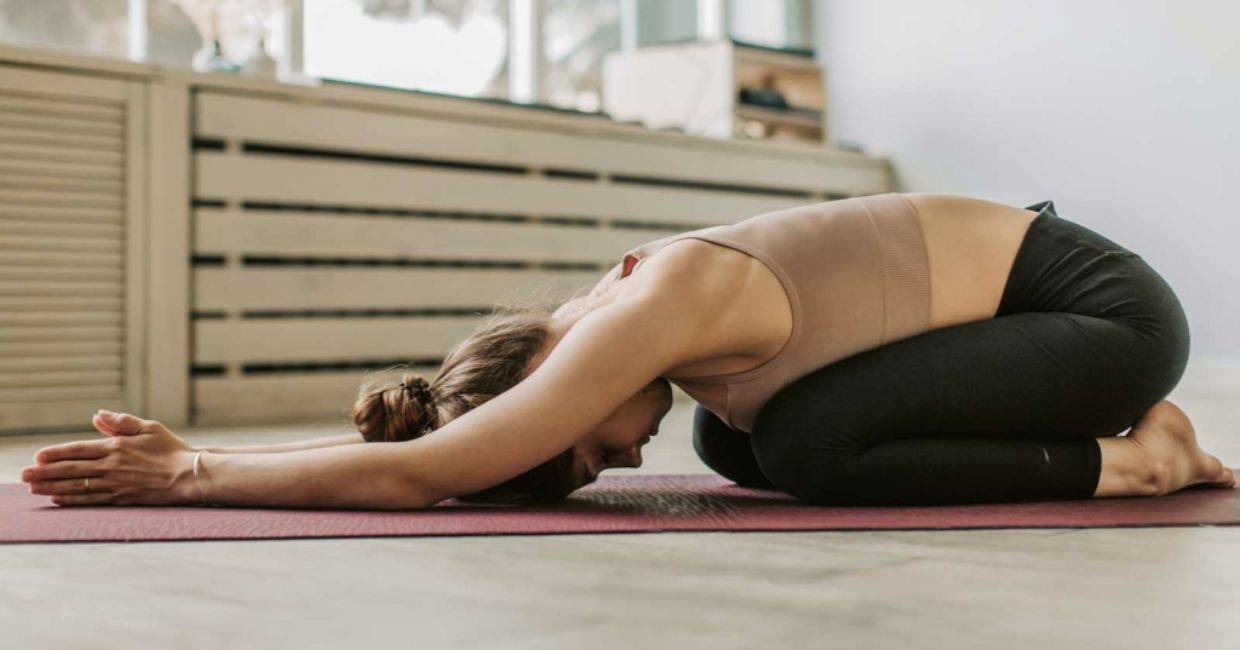
In a world full of chaos, deadlines, and constant movement, finding balance between body and mind has become more important than ever. One ancient practice that continues to help millions of people achieve this balance is yoga. Beyond its physical benefits, yoga offers deep mental and emotional peace.
Whether you’re a beginner or a seasoned yogi, incorporating yoga poses designed for better flexibility and calm can transform your overall well-being. Flexibility allows your body to move freely and painlessly, while calmness helps your mind stay centered, peaceful, and focused.
In this article, we’ll explore the connection between flexibility and inner peace, the benefits of regular yoga practice, and some of the most effective yoga poses for better flexibility and calm that you can practice daily.
How Screen Time Affects Your Sleep Quality
1. The Connection Between Flexibility and Calm
Many people think of flexibility as a purely physical trait — the ability to touch your toes or perform a split. But in yoga, flexibility is more than that. It’s about releasing tension from both the body and the mind.
When your muscles are tight, your breath becomes shallow, and your nervous system stays in a state of alertness. This tension doesn’t just affect your body; it affects your thoughts and emotions as well.
By gently stretching and opening the body through yoga, you send signals to your nervous system that it’s safe to relax. Deep, mindful breathing that accompanies yoga poses further enhances this effect, helping your body move from the “fight or flight” mode into a state of deep relaxation.
Thus, flexibility and calmness are interconnected — a flexible body supports a calm mind, and a calm mind encourages a relaxed, open body.
2. The Benefits of Practicing Yoga for Flexibility and Calm
Practicing yoga regularly can bring remarkable changes to your body and mind. Here are some of the main benefits you can expect:
Physical Benefits
- Improved Flexibility: Over time, yoga gently stretches your muscles and joints, increasing your range of motion.
- Better Posture: Many yoga poses strengthen the core and back, reducing slouching and spinal tension.
- Reduced Muscle Stiffness: Especially beneficial for those who sit long hours at work.
- Enhanced Blood Circulation: Yoga poses promote oxygen flow and remove toxins from the body.
- Less Pain and Tension: Stretching relieves chronic pain in areas like the neck, shoulders, and lower back.
Mental and Emotional Benefits
- Reduced Stress: Deep breathing and mindfulness lower cortisol (the stress hormone).
- Improved Focus: A calm mind can concentrate better and make clearer decisions.
- Emotional Stability: Regular practice helps release stored emotional tension.
- Better Sleep: Relaxing yoga before bed can improve sleep quality and reduce insomnia.
- Overall Calmness: Yoga helps train the mind to stay present and peaceful.
3. Preparing for Your Yoga Practice
Before diving into the poses, it’s important to prepare both your body and your mind.
- Choose a Quiet Space: Find a peaceful area with minimal distractions.
- Use a Yoga Mat: A non-slip mat ensures safety and comfort.
- Wear Comfortable Clothing: Stretchable, breathable clothes allow free movement.
- Focus on Breath: Start with slow, deep breaths to center your mind.
- Listen to Your Body: Never force a pose. Yoga is about progress, not perfection.
Now, let’s explore the most effective yoga poses for better flexibility and calm that you can incorporate into your daily routine.
4. Best Yoga Poses for Flexibility and Calm
Each of the following yoga poses has unique benefits for improving flexibility while promoting mental peace. You don’t need to master them all at once — consistency is the key.
1. Cat-Cow Stretch (Marjaryasana-Bitilasana)
Benefits:
This gentle flow between two poses warms up the spine, releases tension from the back, and connects movement with breath — creating a sense of calm.
How to Do It:
- Start on your hands and knees in a tabletop position.
- Inhale and arch your back (Cow Pose), lifting your chest and tailbone.
- Exhale and round your spine (Cat Pose), tucking your chin to your chest.
- Continue flowing with your breath for 1–2 minutes.
Why It Works:
It improves spinal flexibility and encourages mindful breathing, calming the mind.
2. Downward-Facing Dog (Adho Mukha Svanasana)
Benefits:
A classic yoga poses that stretches the hamstrings, calves, shoulders, and spine. It also increases blood flow to the brain, helping reduce stress.
How to Do It:
- Start on your hands and knees.
- Tuck your toes and lift your hips toward the ceiling, forming an inverted “V.”
- Keep your hands shoulder-width apart and your feet hip-width apart.
- Press your heels down gently and relax your head between your arms.
- Hold for 5–10 breaths.
Why It Works:
This pose improves full-body flexibility while calming the nervous system through deep breathing.
3. Forward Fold (Uttanasana)
Benefits:
Releases tension in the hamstrings, calves, and lower back while calming the mind and reducing anxiety.
How to Do It:
- Stand tall with feet hip-width apart.
- Exhale and fold forward from your hips, keeping your spine long.
- Let your head hang and grasp opposite elbows or touch the floor.
- Hold for 30–60 seconds, breathing deeply.
Why It Works:
The inverted position soothes the brain and promotes inner stillness.
4. Butterfly Pose (Baddha Konasana)
Benefits:
Opens the hips and inner thighs, areas where tension often builds up due to prolonged sitting.
How to Do It:
- Sit with your spine straight and bring the soles of your feet together.
- Hold your feet with your hands and let your knees drop outward.
- You can gently flap your knees like butterfly wings or hold the pose still.
- Breathe deeply for 1–2 minutes.
Why It Works:
Encourages hip flexibility and emotional release, fostering a sense of ease and openness.
5. Cobra Pose (Bhujangasana)
Benefits:
Stretches the chest, shoulders, and abdomen while strengthening the spine.
How to Do It:
- Lie face down with palms under your shoulders.
- Inhale and lift your chest off the mat, keeping elbows close to your body.
- Look slightly upward without straining your neck.
- Hold for 20–30 seconds, then exhale and release.
Why It Works:
This pose energizes the body, opens the heart, and reduces feelings of fatigue or sadness.
6. Seated Forward Bend (Paschimottanasana)
Benefits:
Improves flexibility in the spine, hamstrings, and shoulders, while promoting relaxation and introspection.
How to Do It:
- Sit with legs extended forward.
- Inhale, stretch your arms up, and lengthen your spine.
- Exhale and fold forward, reaching for your toes or ankles.
- Stay in the pose for 1–2 minutes, breathing deeply.
Why It Works:
A powerful posture for calming the mind and stretching the entire back body.
7. Pigeon Pose (Eka Pada Rajakapotasana)
Benefits:
Opens the hips and relieves lower back tension. It also helps release stored emotional energy.
How to Do It:
- From Downward Dog, bring your right knee forward and place it behind your right wrist.
- Extend your left leg back and lower your hips toward the floor.
- You can stay upright or fold forward for a deeper stretch.
- Hold for 30–60 seconds per side.
Why It Works:
Releases deep-seated stress from the hips, improving both emotional and physical flexibility.
8. Child’s Pose (Balasana)
Benefits:
Provides deep relaxation for the back, shoulders, and neck. It’s one of the best yoga poses to find calm and peace.
How to Do It:
- Kneel on the floor, touching your big toes together and sitting on your heels.
- Separate your knees and fold your torso between them.
- Extend your arms forward or let them rest by your sides.
- Breathe slowly and deeply for 1–3 minutes.
Why It Works:
Encourages surrender, grounding, and mental stillness — perfect for releasing anxiety.
9. Bridge Pose (Setu Bandhasana)
Benefits:
Strengthens the back and glutes while gently opening the chest and spine.
How to Do It:
- Lie on your back with knees bent and feet hip-width apart.
- Press your feet and arms into the mat as you lift your hips upward.
- Clasp your hands under your body for support.
- Hold for 30 seconds, then slowly lower down.
Why It Works:
Balances the nervous system, releases tension, and restores calm energy.
10. Legs Up the Wall (Viparita Karani)
Benefits:
This restorative pose enhances circulation, relieves tired legs, and calms the mind.
How to Do It:
- Sit close to a wall and swing your legs up, resting them against the wall.
- Keep your arms relaxed by your sides.
- Close your eyes and breathe slowly for 5–10 minutes.
Why It Works:
This inversion encourages relaxation, improves blood flow, and is excellent for stress relief before bedtime.
5. How Yoga Encourages Mental Calmness
Yoga isn’t just physical exercise; it’s a mind-body-spirit practice. The calmness you feel after a yoga session comes from the combination of mindful movement, breath control, and meditation.
Mindful Breathing
Each yoga poses emphasizes deep, conscious breathing (Pranayama). This breathing pattern stimulates the parasympathetic nervous system, which slows the heart rate and reduces stress hormones.
Awareness and Presence
Yoga teaches you to focus on the present moment — to feel every breath, every stretch, and every heartbeat. This mindfulness naturally reduces mental chatter and anxiety.
Release of Stored Emotions
Tension in the body often holds emotional energy. As you stretch and open your body, you may experience emotional release, leaving you with a sense of lightness and peace.
Connection with Inner Self
Through regular yoga practice, you become more attuned to your body’s needs, emotions, and limitations. This awareness fosters self-acceptance and inner calm.
6. Building a Consistent Yoga Routine
To experience long-term benefits, consistency matters more than perfection. Here’s how to create a simple routine:
Start Small
Begin with 10–15 minutes a day. Even short sessions make a difference.
Choose a Time That Suits You
Morning yoga energizes the body, while evening yoga promotes relaxation.
Combine Poses
Include a mix of stretching, strengthening, and calming poses.
Add Meditation
After your physical practice, spend 5–10 minutes in seated meditation or deep breathing.
Stay Patient
Flexibility and inner peace develop gradually. Appreciate the progress, not just the results.
7. Tips for Enhancing Flexibility Safely
- Warm Up First: Gentle movements or sun salutations prepare muscles for stretching.
- Avoid Overstretching: Pain means you’ve gone too far; back off slightly.
- Breathe Through Discomfort: Slow breathing helps release tightness.
- Stay Consistent: Flexibility builds over time, not overnight.
- Hydrate Well: Muscles and joints move more smoothly when hydrated.
8. Yoga Lifestyle Habits for Long-Term Calmness
Beyond the mat, yoga encourages a lifestyle of mindfulness and balance. Here are some practices that complement your yoga poses:
- Eat Mindfully: Choose nourishing foods that energize rather than drain you.
- Get Enough Rest: Allow your body to recover with proper sleep.
- Disconnect Digitally: Take breaks from screens to preserve mental calm.
- Practice Gratitude: Reflect daily on what you’re thankful for.
- Spend Time in Nature: It grounds your energy and restores inner peace.
9. Combining Flexibility and Calm: The True Essence of Yoga
When practiced with intention, yoga poses becomes more than stretching — it becomes a meditation in motion. Every inhale expands your body; every exhale releases tension. Over time, the physical flexibility you gain mirrors your mental flexibility — the ability to adapt, forgive, and flow with life’s changes.
A flexible body moves with ease.
A calm mind lives with peace.
Together, they create harmony — the true essence of yoga.
10. Final Thoughts: Embrace Yoga for a Flexible Body and Peaceful Mind
Incorporating yoga poses for better flexibility and calm into your daily life is one of the most rewarding things you can do for your well-being. Yoga invites you to connect with your body, slow your thoughts, and create stillness amidst life’s chaos.
Remember:
You don’t need to be naturally flexible to start yoga poses. You become flexible — in body and in spirit — through the practice itself.
Take a few minutes each day to stretch, breathe deeply, and be fully present. With time, you’ll not only notice your body becoming more open and strong, but your mind will also grow more centered and serene.
In a world that constantly demands movement and speed, yoga teaches us the power of stillness — and that’s where true flexibility and calm begin.