
Screen Time Affects
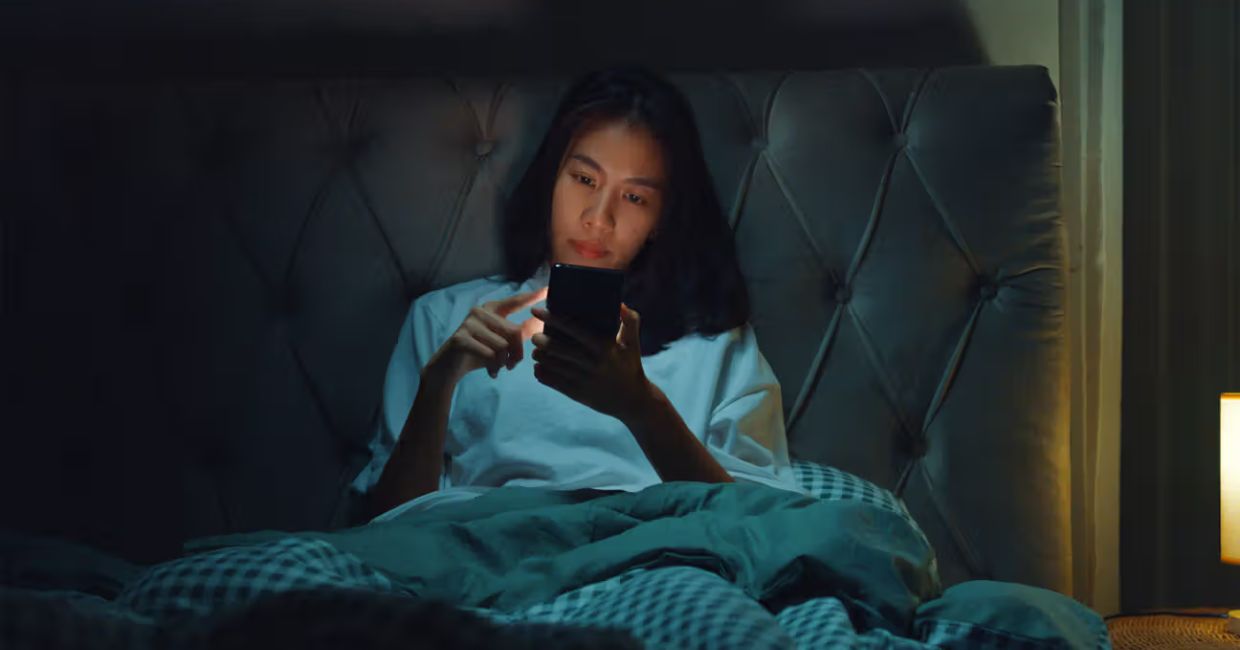
In today’s fast-paced digital world, screens are everywhere — from smartphones and tablets to laptops and TVs. Whether it’s scrolling through social media before bed, streaming your favorite show, or replying to late-night emails, screen time has become an unavoidable part of modern life.
But have you ever noticed how difficult it can be to fall asleep after spending hours staring at a screen? Or how your sleep feels lighter and less refreshing after a late-night Netflix binge? That’s not your imagination — it’s science.
Excessive screen time, especially before bed, can disrupt your body’s natural sleep cycle and affect the quality of your rest in surprising ways. In this article, we’ll explore how screen time affects your sleep quality, why it happens, and what you can do to protect your rest — without completely giving up your devices.
Morning Detox: Lemon Water Benefits Explained
1. Understanding the Importance of Sleep
Before we explore how screens interfere with your sleep, it’s important to understand why sleep quality matters so much.
Sleep isn’t just a period of rest — it’s a vital process that allows your body and mind to recover, recharge, and repair. During sleep, your brain consolidates memories, your body produces growth hormones, and your immune system strengthens.
According to health experts, adults need between 7–9 hours of quality sleep per night to function at their best. But “quality sleep” doesn’t just mean hours — it means going through all the necessary sleep cycles, including deep sleep and REM (rapid eye movement) sleep.
Poor sleep quality can lead to:
- Difficulty concentrating
- Weakened immunity
- Mood swings and irritability
- Increased stress levels
- Higher risk of chronic diseases such as diabetes, obesity, and heart problems
And one of the biggest culprits behind poor sleep in modern society? Excessive screen time, especially right before bedtime.
2. The Blue Light Effect: How Screens Confuse Your Brain
The most direct way that screens affect your sleep quality is through blue light exposure.
What Is Blue Light?
Blue light is a type of high-energy visible light emitted by digital devices like smartphones, tablets, computers, and TVs. It’s not inherently bad — natural blue light from the sun helps regulate your body’s internal clock, known as the circadian rhythm.
How Blue Light Affects Sleep
Your brain uses light signals to determine when it’s time to be awake or to wind down for sleep. When you’re exposed to blue light from screens at night, your brain gets mixed signals — it interprets the light as daylight and delays the release of melatonin, the hormone responsible for making you feel sleepy.
In simpler terms, blue light tricks your brain into thinking it’s still daytime, keeping you alert and delaying your ability to fall asleep.
3. The Impact of Late-Night Scrolling
Scrolling through your phone or watching videos in bed might feel relaxing, but it’s actually stimulating your brain at a time when it should be slowing down.
Mental Stimulation
Every message, notification, or video triggers mental engagement. You might start thinking about work emails, comparing your life on social media, or reacting emotionally to what you see online. This mental activity increases cortisol, the stress hormone, which makes it harder for your mind to switch into rest mode.
Physical Stimulation
Even though you’re lying down, your body is still engaged. Holding your phone close to your face, tapping, or reacting to content keeps your senses active. This contradicts the calm environment your body needs to transition into sleep.
In short, the more time you spend scrolling before bed, the longer it may take to fall asleep — and the poorer your sleep quality will be once you do.
4. How Screen Time Disrupts the Circadian Rhythm
Your circadian rhythm is your body’s internal 24-hour clock that regulates sleep and wakefulness. It aligns with the natural cycle of light and darkness — when it’s bright, you’re alert; when it’s dark, your body prepares for sleep.
Excessive screen time, especially at night, disturbs this natural rhythm by:
- Delaying melatonin release, making you feel less sleepy.
- Shifting your sleep cycle, causing you to go to bed later.
- Reducing total sleep time, leading to tiredness the next day.
Over time, this disruption can cause chronic sleep deprivation, affecting your mood, productivity, and even your metabolism.
5. The Hidden Effects of Screen Time on Sleep Quality
You might think that as long as you get 7–8 hours of sleep, you’re fine. But screen exposure can reduce sleep quality — even if you’re technically sleeping long enough.
a. Less Deep Sleep
Deep sleep (slow-wave sleep) is when your body repairs tissues and builds muscle. Excess screen time can reduce the amount of deep sleep you get, leaving you feeling physically tired even after a full night’s rest.
b. Fewer REM Cycles
REM sleep is critical for memory, creativity, and emotional health. Blue light exposure can shorten or delay REM sleep, making it harder to process emotions and information effectively.
c. Increased Night Awakenings
People who use screens before bed are more likely to wake up multiple times during the night due to overstimulation and hormonal imbalance.
d. Morning Grogginess
Poor sleep quality leads to sleep inertia — that sluggish, foggy feeling you get upon waking. You might rely on caffeine to compensate, which can further disrupt your natural energy cycle.
6. Screen Time and Children’s Sleep
Children and teenagers are especially vulnerable to the effects of excessive screen time. Their brains and sleep patterns are still developing, making them more sensitive to blue light and digital stimulation.
Common Effects on Kids and Teens:
- Delayed bedtimes: They tend to stay up later using devices.
- Shorter sleep duration: More screen time often means less sleep.
- Daytime sleepiness: Affects concentration and academic performance.
- Mood changes: Irritability, anxiety, and emotional dysregulation.
Pediatric sleep experts recommend no screen time at least one hour before bed for children and teens to support healthy sleep development.
7. The Role of Social Media and Streaming Platforms
It’s not just the light from screens that affects your sleep — the content itself plays a major role.
Social Media
Social media is designed to keep you engaged. The endless scroll of updates, likes, and notifications triggers the dopamine reward system, making it addictive. This constant mental stimulation delays your bedtime and increases anxiety, especially if you’re consuming stressful or emotionally charged content.
Streaming Platforms
Binge-watching your favorite series at night may seem harmless, but it often leads to “sleep procrastination” — staying up later than planned just to finish “one more episode.” The result? Less sleep and reduced alertness the next day.
8. Sleep Disorders Linked to Excessive Screen Time
Prolonged screen exposure can increase the risk of several sleep-related disorders:
a. Insomnia
Blue light exposure suppresses melatonin and keeps the brain alert, leading to difficulty falling or staying asleep.
b. Delayed Sleep Phase Syndrome (DSPS)
This is a condition where your natural sleep-wake cycle is delayed by two or more hours, often due to late-night screen use.
c. Sleep Fragmentation
Constant notifications or background screen light can cause you to wake up frequently throughout the night.
d. Digital Eye Strain
Though not a sleep disorder, eye strain and headaches from extended screen time can make it harder to relax and fall asleep comfortably.
9. How Poor Sleep Quality Affects Your Daily Life
The consequences of poor sleep caused by excessive screen time go beyond just feeling tired. Over time, it can affect almost every aspect of your life:
- Reduced focus and productivity at work or school
- Weakened immunity, making you more prone to illness
- Increased appetite due to hormonal imbalance (ghrelin and leptin disruption)
- Higher stress and anxiety levels
- Increased risk of chronic diseases like diabetes, hypertension, and depression
Sleep deprivation also affects emotional stability — you might feel more irritable, impatient, or unmotivated. The cycle often continues as people use screens for relaxation, further harming sleep quality.
10. Tips to Reduce Screen Time and Improve Sleep Quality
The good news? You don’t need to give up your devices completely. A few smart adjustments can significantly improve your sleep without disconnecting you from the digital world.
1. Create a Digital Curfew
Set a rule to turn off all screens at least one hour before bed. Use that time for relaxing offline activities like reading, journaling, stretching, or listening to calm music.
2. Use Night Mode or Blue Light Filters
Most devices have a “night mode” or “blue light filter” setting that reduces blue light emission. Enable it in the evening to minimize disruption to your circadian rhythm.
3. Keep Screens Out of the Bedroom
Avoid bringing phones, tablets, or laptops into your bedroom. Make your bedroom a screen-free sanctuary for rest and relaxation.
4. Turn Off Notifications
Silence or schedule “Do Not Disturb” mode during nighttime hours to prevent interruptions and reduce temptation to check your device.
5. Practice Mindful Screen Use
Be conscious of how much time you spend online. Set daily screen limits or use apps that track usage and remind you to take breaks.
6. Opt for “Digital Detox” Evenings
Pick one or two nights a week where you intentionally disconnect from screens after sunset. Spend that time connecting with loved ones or doing something creative.
7. Create a Relaxing Bedtime Routine
A consistent pre-sleep routine signals your body that it’s time to wind down. Try activities like meditation, gentle yoga, deep breathing, or aromatherapy.
8. Adjust Your Lighting
Dim household lights in the evening to mimic the natural sunset and prepare your body for rest. Avoid bright overhead lights close to bedtime.
9. Use an Analog Alarm Clock
Many people use their phones as alarms, which keeps screens near the bed. Switch to a traditional alarm clock to remove that temptation.
10. Get Morning Sunlight
Exposure to natural sunlight in the morning helps regulate your internal clock and makes it easier to fall asleep at night.
11. Replacing Screen Time with Relaxing Alternatives
If you’re used to winding down with your phone or tablet, replacing that habit can feel challenging at first. But with time, you’ll notice a huge difference in your sleep quality. Here are some relaxing alternatives to try before bed:
- Reading a physical book (not an e-reader with bright light)
- Listening to calm music or podcasts
- Practicing guided meditation or deep breathing
- Journaling your thoughts or gratitude list
- Doing gentle stretches or yoga
These small changes can help your mind transition from digital stimulation to natural relaxation.
12. The Science of Reversing Sleep Disruption
The positive news is that the effects of screen time on sleep aren’t permanent. Once you reduce nighttime screen exposure, your body can naturally rebalance its melatonin production and restore your circadian rhythm.
Studies show that people who limit screens before bedtime report:
- Falling asleep faster
- Experiencing deeper, more restful sleep
- Waking up feeling more energized
- Having better mood and focus during the day
It may take a few weeks to adjust, but the benefits are lasting and worth it.
13. The Future: Balancing Technology and Sleep
Technology isn’t the enemy — the key is balance. Digital devices have made life more convenient, but our relationship with them needs boundaries.
As awareness grows, many companies are introducing sleep-friendly technologies such as:
- Smart glasses that block blue light
- Screen time monitoring apps
- Smart lighting that mimics natural daylight cycles
- Sleep-tracking devices that help you monitor rest quality
While these tools can help, the most effective solution still lies in your habits — how you choose to engage with technology each day.
Conclusion: Protecting Your Sleep in a Digital World
Screens are an integral part of modern life — from work and entertainment to staying connected with loved ones. But understanding how screen time affects your sleep quality empowers you to make healthier choices.
Excessive screen exposure, especially before bedtime, suppresses melatonin, disrupts your circadian rhythm, and reduces deep and REM sleep — leading to fatigue, poor focus, and long-term health effects.
The solution isn’t to eliminate technology altogether, but to use it mindfully. Setting screen limits, creating a digital curfew, and developing calming bedtime routines can transform the way you sleep and feel each day.
Your body deserves rest — true, uninterrupted, quality rest. So tonight, put your phone down a little earlier, dim the lights, and let your mind drift naturally into peaceful sleep. Your future self will thank you for it.