
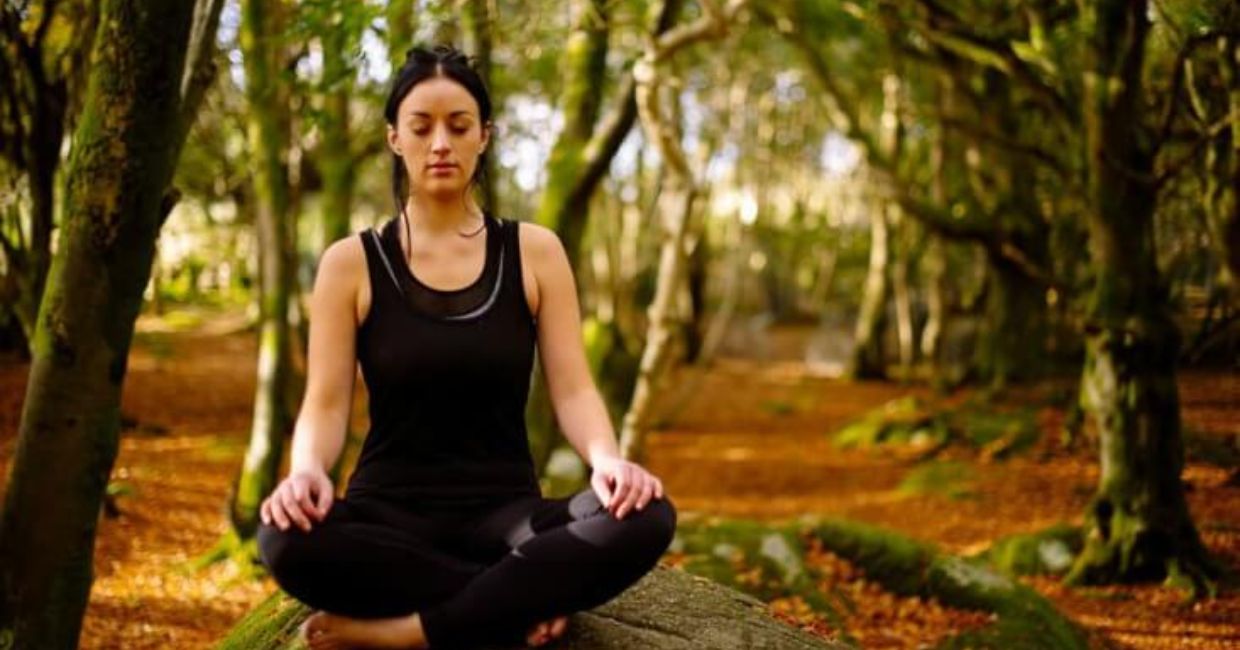
Meditation Techniques
In today’s fast-paced, noisy world, our minds rarely get a chance to rest. We are constantly pulled in different directions — work, family, notifications, and responsibilities. It’s no surprise that many people feel mentally exhausted and emotionally drained. Meditation offers a simple yet powerful way to reconnect with inner peace, reduce stress, and find clarity amidst the chaos of modern life.
If you’re new to meditation, starting can seem overwhelming. You might wonder: Which technique should I try? How do I stop my thoughts? What if I can’t focus? The truth is, meditation doesn’t require perfection — it requires consistency and patience. There’s no “right” or “wrong” way; it’s a personal journey that begins with a single breath.
This guide explores 10 meditation techniques for beginners — practical, simple, and effective methods you can start today to calm your mind, improve focus, and enhance your overall well-being.
Evening Meditation Rituals for a Peaceful Sleep
1. Mindfulness Meditation
Mindfulness meditation is one of the most popular and accessible forms of meditation. Originating from Buddhist traditions, it focuses on being fully present in the moment — observing thoughts, feelings, and sensations without judgment.
How to Practice:
- Sit comfortably with your back straight.
- Close your eyes or soften your gaze.
- Focus on your breath — the sensation of air entering and leaving your nostrils or the rise and fall of your chest.
- When your mind wanders (and it will), gently bring your attention back to the breath.
The goal is not to stop thinking but to observe your thoughts like clouds passing through the sky. Over time, mindfulness meditation enhances awareness, reduces anxiety, and cultivates inner calm.
Best For:
Beginners who want to improve focus, reduce stress, and feel more grounded in daily life.
2. Focused Attention Meditation
Focused attention meditation trains your mind to concentrate on a single object, sound, or sensation. It’s an excellent practice for those who struggle with distraction or overthinking.
How to Practice:
- Choose an object of focus — such as a candle flame, your breath, a mantra, or even a sound like gentle music.
- Sit still and keep your attention solely on that object.
- Each time your thoughts drift, acknowledge them and return your focus to your chosen point.
This practice strengthens your mental discipline and helps you stay calm and centered in stressful situations.
Best For:
People who want to improve mental clarity, concentration, and self-control.
3. Body Scan Meditation
Body scan meditation is a powerful way to connect with your body, release tension, and relax deeply. It’s especially helpful for beginners who find it hard to quiet their minds.
How to Practice:
- Lie down or sit comfortably.
- Close your eyes and take a few deep breaths.
- Begin by bringing attention to your toes, noticing any sensations — warmth, tingling, or tightness.
- Gradually move your attention upward through your body: legs, hips, abdomen, chest, arms, and head.
- If you notice tension, breathe into that area and let it relax.
The goal is to build awareness of your body and create a sense of total relaxation and presence.
Best For:
Reducing physical tension, improving sleep, and calming anxiety.
4. Loving-Kindness Meditation (Metta)
Loving-kindness meditation, or Metta, focuses on developing compassion — first for yourself, then for others. It nurtures emotional healing, forgiveness, and empathy.
How to Practice:
- Sit quietly and take a few calming breaths.
- Silently repeat phrases like:
- “May I be happy.”
- “May I be healthy.”
- “May I live in peace.”
- Once you feel warmth for yourself, extend these wishes to others — friends, family, even people you find difficult.
Over time, this practice melts resentment and strengthens positive emotions.
Best For:
Cultivating love, compassion, and emotional healing.
5. Guided Visualization Meditation
Guided meditation uses imagery and imagination to promote relaxation and positivity. You can follow an audio recording or guide yourself through mental pictures.
How to Practice:
- Sit or lie down comfortably.
- Close your eyes and visualize a peaceful scene — a beach, forest, or mountain.
- Imagine the details vividly: the sounds, scents, colors, and sensations.
- Allow yourself to fully experience the calmness of the scene.
Guided visualization helps relieve stress and enhances creativity. Many beginners find it easier because the mind has a clear focus.
Best For:
Reducing anxiety, improving mood, and enhancing focus through imagination.
6. Mantra Meditation
In mantra meditation, you repeat a specific word, phrase, or sound (called a mantra) to help quiet the mind. The repetition helps anchor your focus and deepen your awareness.
How to Practice:
- Choose a calming word or sound, such as “Om,” “Peace,” or any phrase that resonates with you.
- Sit comfortably and close your eyes.
- Silently repeat the mantra with each breath — let it flow naturally.
- When thoughts arise, gently return to your mantra.
This rhythmic repetition helps clear mental chatter and fosters deep inner stillness.
Best For:
Those who prefer structure and rhythm during meditation.
7. Breath Awareness Meditation (Pranayama)
Breath awareness, or Pranayama, comes from ancient yogic traditions. It involves conscious control and observation of the breath to calm the mind and energize the body.
How to Practice:
- Sit comfortably with your spine straight.
- Breathe in slowly through your nose for a count of four.
- Hold your breath for a count of four.
- Exhale slowly for a count of four.
- Repeat for several rounds, focusing entirely on your breathing pattern.
This practice helps regulate emotions, reduce anxiety, and increase mindfulness.
Best For:
Calming racing thoughts, improving focus, and relieving stress instantly.
8. Walking Meditation
Meditation doesn’t always require sitting still. Walking meditation combines mindfulness with movement, making it ideal for those who find sitting difficult or prefer physical activity.
How to Practice:
- Choose a quiet place where you can walk slowly — a park, garden, or even a hallway.
- Focus on the sensations of walking: the lift of your foot, the contact with the ground, the rhythm of your steps.
- Sync your breathing with your pace.
- When your mind drifts, gently bring attention back to your movement.
Walking meditation connects body and mind, helping you carry mindfulness into everyday life.
Best For:
People who struggle to sit still or want to incorporate mindfulness into daily routines.
9. Zen Meditation (Zazen)
Zen meditation, or Zazen, is a traditional Buddhist practice emphasizing awareness of the present moment and detachment from thoughts.
How to Practice:
- Sit on a cushion with your legs crossed and back straight.
- Place your hands gently on your lap, palms up.
- Keep your eyes slightly open, gazing softly at a spot in front of you.
- Focus on your breath or simply observe your thoughts as they arise — without judgment or attachment.
The purpose is not to empty the mind but to observe it with acceptance and clarity.
Best For:
Developing deep self-awareness and mental discipline.
10. Progressive Relaxation Meditation
Also known as muscle relaxation meditation, this technique involves tensing and then releasing each muscle group to relieve physical and emotional stress.
How to Practice:
- Sit or lie down comfortably.
- Starting from your feet, tense your muscles for 5 seconds, then release.
- Move upward — calves, thighs, abdomen, chest, arms, shoulders, and face.
- With each release, feel the tension melting away.
This method promotes physical relaxation and prepares the body for rest or sleep.
Best For:
Releasing built-up tension, managing insomnia, and soothing anxiety.
Tips for Meditation Beginners
Starting a meditation practice can feel strange at first, especially when your mind refuses to stay still. Remember — everyone’s journey is unique, and progress takes time. Here are a few tips to make meditation easier and more enjoyable:
1. Start Small
Begin with just 5 minutes a day. As you get comfortable, gradually extend your sessions to 10–20 minutes.
2. Be Patient
The mind naturally wanders. Each time you bring your focus back, you’re strengthening your mental “muscle.”
3. Create a Peaceful Space
Find a quiet spot where you won’t be disturbed. You can add candles, cushions, or calming scents to set the mood.
4. Meditate at the Same Time Daily
Consistency builds habit. Try meditating in the morning to set a peaceful tone for the day or before bed to unwind.
5. Don’t Judge Your Experience
Some days you’ll feel peaceful, other days restless. Both are normal. Meditation is about awareness, not perfection.
6. Use Guided Apps or Music
Beginners may find it easier to start with guided meditations available on apps like Calm, Insight Timer, or Headspace.
Benefits of Meditation
Meditation’s impact extends far beyond relaxation. Scientific studies show that regular meditation can rewire the brain, improving both mental and physical health.
1. Reduces Stress and Anxiety
Meditation lowers cortisol levels — the body’s stress hormone — helping you stay calm and centered even in pressure-filled situations.
2. Improves Focus and Concentration
Regular practice enhances attention span, memory, and creativity by training the mind to stay present.
3. Promotes Emotional Health
Meditation increases positive emotions and self-awareness while reducing negative thinking and emotional reactivity.
4. Enhances Sleep Quality
Relaxation-based meditations, like body scans or breathing exercises, help calm the nervous system, promoting deeper sleep.
5. Boosts Self-Awareness
As you observe your thoughts and emotions without judgment, you develop greater understanding and control over your reactions.
6. Strengthens the Immune System
By lowering stress hormones and improving sleep, meditation indirectly supports your body’s immune function.
7. Encourages Compassion and Kindness
Practices like loving-kindness meditation enhance empathy, gratitude, and compassion toward yourself and others.
Common Challenges and How to Overcome Them
1. “I Can’t Stop Thinking.”
Meditation isn’t about eliminating thoughts — it’s about observing them without getting lost in them. Over time, your thoughts will naturally quiet.
2. “I Don’t Have Time.”
Even two minutes of focused breathing can make a difference. Meditation is flexible — it can fit into any schedule.
3. “I Get Bored or Restless.”
Change your technique! Try walking or guided meditations to add variety.
4. “I Don’t Feel Any Results.”
Meditation works gradually. The benefits accumulate with consistent practice — often noticed after a few weeks.
Creating a Personal Meditation Routine
Consistency is the key to success. Here’s a simple plan for beginners:
Morning Routine (5–10 Minutes):
- Start with breath awareness or mindfulness meditation.
- Focus on gratitude and set a positive intention for the day.
Midday Break (5 Minutes):
- Try walking meditation or focused breathing to recharge your energy.
Evening Routine (10–15 Minutes):
- Practice body scan meditation or progressive relaxation to release tension before sleep.
You can mix and match techniques depending on your mood or needs.
The Mindset of a Meditator
Meditation isn’t about escaping life — it’s about engaging with it more mindfully. As you practice regularly, you’ll notice subtle changes:
- You react less impulsively.
- You handle challenges with more patience.
- You appreciate small moments of peace.
A strong meditation habit transforms not just your mind, but your entire outlook on life.
Conclusion: Start Where You Are
Meditation is not reserved for monks or spiritual gurus — it’s for everyone. Whether you have five minutes or an hour, whether your mind is calm or chaotic, every session counts.
These 10 meditation techniques for beginners offer a doorway into self-discovery and peace. Try different methods, experiment with what feels natural, and most importantly, be gentle with yourself along the way.
Over time, meditation becomes more than a practice — it becomes a way of living: present, patient, and peaceful.
Start today. Take one deep breath. That’s where transformation begins.