
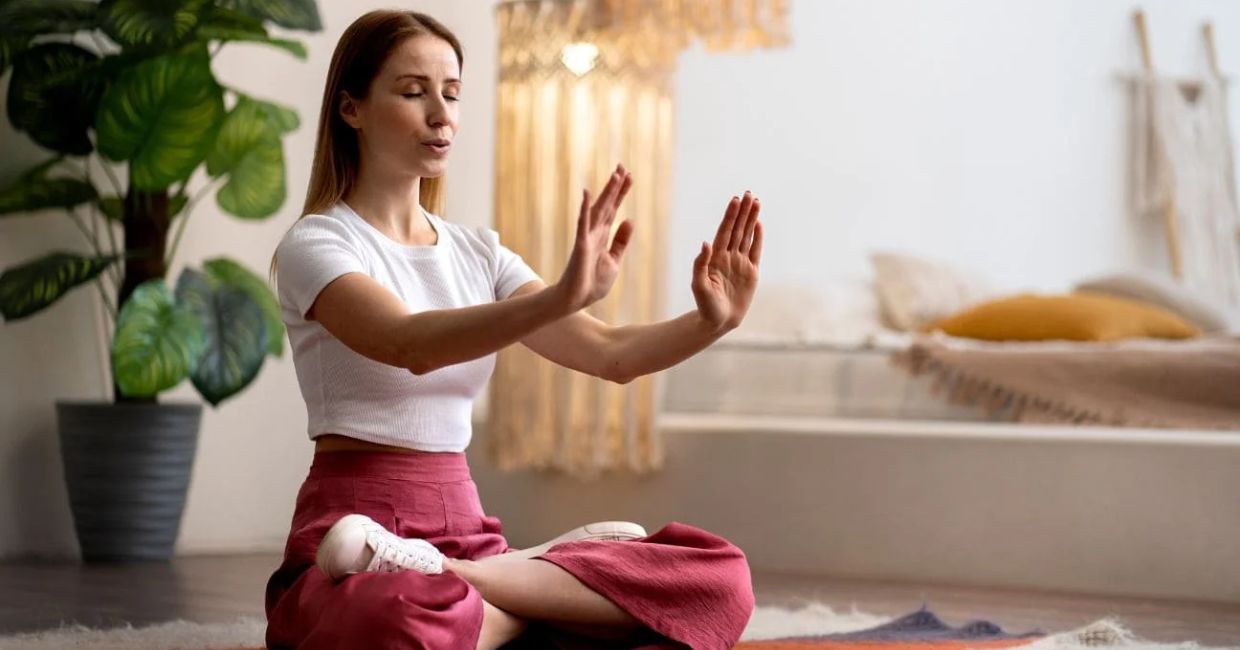
In today’s fast-paced world, stress has become a constant companion for many of us. Between tight schedules, endless notifications, and life’s unexpected challenges, our minds and bodies rarely get a chance to rest. Over time, this constant state of tension can drain your energy, affect your focus, and even harm your physical health.
But here’s the good news — relaxation isn’t a luxury. It’s a necessity. Learning how to relax isn’t about escaping reality; it’s about giving your mind and body the space they need to recover, reset, and thrive.
While there are countless stress-relief tips out there, not all of them actually work for everyone. The good news? Science and ancient wisdom both agree on certain proven techniques that genuinely help you unwind and restore balance.
In this article, we’ll explore 7 relaxation techniques that really work — practical, simple, and effective methods to calm your mind, release tension, and bring peace back into your daily life.
Morning Mindfulness Rituals for a Peaceful Start
1. Deep Breathing: The Fastest Way to Calm Your Mind
When stress strikes, one of the first things that changes is your breathing. It becomes shallow and quick, sending signals to your brain that something is wrong. This triggers your body’s “fight-or-flight” response — increasing your heart rate and tension.
Deep breathing reverses that process almost instantly.
By taking slow, mindful breaths, you activate your body’s relaxation response, lowering your heart rate and calming your nervous system.
How to Practice Deep Breathing
- Find a quiet spot and sit comfortably.
- Close your eyes and inhale slowly through your nose for four counts.
- Hold your breath for two counts.
- Exhale gently through your mouth for six counts.
- Repeat this cycle for 5–10 minutes.
This simple technique is so powerful that it’s used in yoga, meditation, and even by therapists to help reduce anxiety. The key is consistency — even a few minutes a day can make a noticeable difference.
Pro Tip: Try “4-7-8 breathing” — inhale for 4 seconds, hold for 7, and exhale for 8. It’s incredibly effective for releasing stress and even helps with sleep.
2. Progressive Muscle Relaxation (PMR): Let Go of Tension You Didn’t Know You Had
Have you ever noticed your shoulders tighten or your jaw clench without realizing it? Our bodies often store stress in the form of muscle tension. Progressive Muscle Relaxation (PMR) is a proven way to release that hidden tension and relax deeply.
Developed by Dr. Edmund Jacobson in the 1930s, PMR involves systematically tensing and then relaxing each muscle group in the body.
How to Practice PMR
- Sit or lie down in a quiet place.
- Start with your toes: tense them tightly for 5 seconds, then release for 10 seconds.
- Move up your body — feet, calves, thighs, abdomen, shoulders, arms, face.
- Notice the difference between tension and relaxation in each area.
After a few rounds, you’ll feel your entire body sinking into a deep state of calm. PMR not only helps reduce stress but can also improve sleep and relieve headaches caused by muscle strain.
Pro Tip: Combine PMR with slow breathing for even deeper relaxation.
3. Mindfulness Meditation: Find Peace in the Present Moment
Our minds love to wander — replaying the past or worrying about the future. This mental chatter is one of the biggest causes of stress. Mindfulness meditation helps you anchor your awareness to the present, allowing you to observe your thoughts without judgment.
Countless studies have shown that regular mindfulness practice reduces anxiety, boosts emotional resilience, and even improves focus.
How to Practice Mindfulness Meditation
- Sit comfortably and close your eyes.
- Focus on your breath — notice the sensation of air entering and leaving your body.
- When your mind drifts (and it will), gently bring your attention back to your breath.
- Continue for 5–15 minutes.
The goal isn’t to stop thinking; it’s to notice your thoughts without letting them control you. Over time, this practice teaches your mind how to remain calm even in stressful situations.
Pro Tip: Apps like Calm or Headspace can guide you through short daily mindfulness sessions if you’re just starting out.
4. Visualization: Your Mind’s Peaceful Escape
Visualization (or guided imagery) is a simple yet powerful relaxation method that uses the imagination to transport you to a calm, soothing place. When your brain vividly imagines peaceful scenes, your body responds as if it’s really there — slowing your heartbeat, lowering stress hormones, and relaxing your muscles.
How to Practice Visualization
- Find a quiet space and close your eyes.
- Take a few deep breaths to settle your mind.
- Picture a calm, beautiful place — a beach, forest, mountain, or any peaceful setting.
- Engage all your senses: feel the breeze, hear the sounds, smell the air.
- Stay in your imagined place for 5–10 minutes, then gently return to the present moment.
Visualization is more than daydreaming — it’s a mental reset button. It helps your mind break free from stress loops and reminds your body how relaxation feels.
Pro Tip: Pair visualization with calming background sounds (like ocean waves or birds chirping) for a more immersive experience.
5. Gentle Yoga: Move, Breathe, and Release
When your body feels tense, your mind often follows. Yoga is one of the best ways to reconnect both — combining movement, breath, and mindfulness into one deeply relaxing practice.
Unlike intense workouts, gentle or restorative yoga focuses on slow, controlled movements and long stretches that release tension and calm your nervous system.
Simple Relaxing Yoga Poses to Try
- Child’s Pose (Balasana): Releases tension from your back and shoulders.
- Legs-Up-the-Wall (Viparita Karani): Boosts circulation and relieves tired legs.
- Cat-Cow Stretch (Marjaryasana/Bitilasana): Improves flexibility and reduces stiffness.
- Corpse Pose (Savasana): Promotes total relaxation and deep rest.
Spend just 15–20 minutes moving through a few poses, syncing each movement with your breath. You’ll feel lighter, calmer, and more present.
Pro Tip: Practice yoga before bed or after work to transition from high energy to a relaxed state.
6. Aromatherapy: Relax Through Scent
Our sense of smell is directly linked to the brain’s emotional center — the limbic system. That’s why certain scents can instantly shift your mood, ease anxiety, and promote relaxation.
Aromatherapy, the use of essential oils for healing, has been practiced for centuries. Modern research confirms that specific scents can lower stress hormones and promote better sleep.
Best Essential Oils for Relaxation
- Lavender: Calms the mind and reduces anxiety.
- Chamomile: Soothes the nervous system and helps with sleep.
- Eucalyptus: Opens breathing and relieves mental fatigue.
- Sandalwood: Grounds emotions and promotes inner peace.
- Ylang-Ylang: Reduces blood pressure and encourages calmness.
How to Use Aromatherapy
- Add a few drops of essential oil to a diffuser.
- Mix with carrier oil and apply to your wrists or temples.
- Add to a warm bath for a spa-like experience.
- Use an aromatherapy candle during meditation or yoga.
Even a few minutes of inhaling calming scents can shift your mood and bring your body into a relaxed state.
Pro Tip: Before sleep, place a few drops of lavender oil on your pillow for deeper rest.
7. Listening to Calming Music: Let Sound Soothe Your Soul
Music has an incredible effect on the brain. It can energize, motivate, or — in this case — calm you down. Soft, slow, rhythmic music helps lower blood pressure, slow your heart rate, and reduce stress hormones.
You don’t need a special playlist; just choose sounds that relax you — nature sounds, classical music, or instrumental tracks work beautifully.
How to Practice Music Relaxation
- Find a comfortable spot to sit or lie down.
- Play soothing music — no lyrics, just gentle melodies.
- Close your eyes and focus on the rhythm.
- Breathe deeply and allow your mind to drift with the music.
This simple act of listening helps quiet your inner noise and brings balance to your emotions. It’s also an excellent way to unwind before bed or after a long day.
Pro Tip: Combine soft music with breathing or visualization for maximum effect.
How to Make Relaxation a Daily Habit
Knowing these techniques is one thing — practicing them regularly is what brings results. Here’s how to make relaxation part of your daily life:
- Start Small: Even 5 minutes of deep breathing or mindfulness each day is enough to make a difference.
- Schedule It: Treat relaxation like an appointment — set aside time just for you.
- Create a Ritual: Light a candle, play soft music, or find a cozy spot that signals “relaxation time.”
- Listen to Your Body: Some days you may need stillness; other days, gentle movement. Adjust your practice accordingly.
- Stay Consistent: The benefits of relaxation grow with time. Your body learns to enter calmness more quickly the more you practice.
Remember — relaxation isn’t a sign of laziness. It’s essential maintenance for your mental and physical well-being.
The Science of Relaxation: Why It Works
Relaxation techniques aren’t just about “feeling good.” They have real physiological effects on your body. When you practice any form of relaxation, you activate the parasympathetic nervous system — often called the “rest and digest” mode.
This system lowers your heart rate, slows breathing, improves digestion, and promotes healing. Over time, regular relaxation can:
- Lower blood pressure
- Improve immune function
- Enhance focus and concentration
- Reduce symptoms of anxiety and depression
- Promote better sleep quality
The key is consistency. Even short, regular sessions can rewire your stress response, helping you stay calm and resilient in the face of daily challenges.
When to Use These Relaxation Techniques
You can use these techniques anytime you feel tension rising or simply as part of your wellness routine. Here are some ideal times:
- Morning: Start your day with breathing or mindfulness for calm focus.
- During Work: Take a few minutes for PMR or music relaxation between tasks.
- After Work: Use yoga or aromatherapy to unwind and release built-up tension.
- Before Bed: Practice visualization or deep breathing to prepare for restful sleep.
Think of relaxation as a skill — the more you use it, the stronger and more natural it becomes.
Combining Techniques for Maximum Effect
The best part? You don’t have to pick just one method. Many of these relaxation techniques complement each other beautifully.
For example:
- Pair deep breathing with aromatherapy for instant calm.
- Follow a short yoga session with mindfulness meditation for mental clarity.
- Use music and visualization together for a full sensory relaxation experience.
Mix and match until you find what feels right. The goal is to create your personal relaxation toolkit — one that fits your lifestyle and helps you return to balance whenever you need it.
Final Thoughts: Relaxation Is a Practice, Not a Destination
In a world that glorifies busyness, learning to slow down can feel like a rebellion. But true well-being comes from balance — knowing when to act and when to rest.
These 7 relaxation techniques — from deep breathing to aromatherapy — are powerful tools to help you reconnect with yourself and cultivate inner calm. They’re simple, effective, and proven to work for people of all ages and lifestyles.
Remember: relaxation doesn’t require perfection or hours of silence. It’s about presence — taking a few conscious moments each day to breathe, unwind, and remind yourself that peace is always within reach.
So tonight, before you scroll one last time or worry about tomorrow, close your eyes, take a deep breath, and let go.
Your body will thank you.
Your mind will thank you.
And your peace will begin to return — one breath at a time.